Call Us

+1-(615) 799-4065

Our Location

California(CA), 91941

Athletes as Role Models: Inspiring the Next Generation

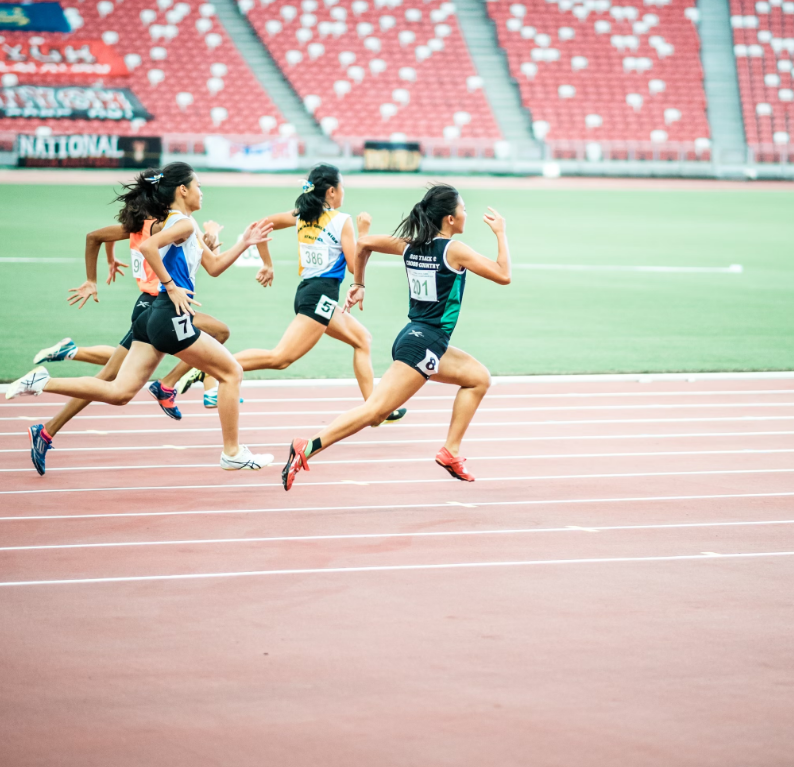
Athletes occupy a unique position in society as symbols of perseverance, dedication, and achievement. Beyond their athletic prowess, they serve as influential role models who inspire and shape the aspirations of millions around the world. This guide delves into the multifaceted roles athletes play as role models, exploring the impact of their actions both on and off the field, the qualities that make them exemplary figures, and the responsibilities that come with their status. Inspiring Achievement and Excellence Athletes captivate the imagination of young people through their remarkable feats of athleticism and commitment to excellence. Whether it’s breaking world records, winning championships, or overcoming personal adversity, athletes demonstrate the rewards of hard work, discipline, and determination. Their dedication to continuous improvement and the pursuit of mastery inspires young individuals to set ambitious goals, strive for excellence in their endeavors, and embrace challenges as opportunities for growth. By showcasing the transformative power of resilience and perseverance, athletes motivate the next generation to believe in their potential and pursue their dreams with unwavering determination. Role Models of Sportsmanship and Integrity Athletes embody the values of sportsmanship, fair play, and integrity both on and off the field. Through their actions, they exemplify the principles of respect, humility, and grace under pressure, demonstrating that winning with dignity and losing with grace are essential aspects of competitive sports. Athletes serve as role models of ethical conduct, demonstrating honesty, accountability, and respect for teammates, opponents, officials, and fans. By upholding these values, athletes instill a sense of sportsmanship and ethical behavior in young athletes, emphasizing the importance of integrity and character in achieving success and earning respect within the sports community. Advocates for Social Change Athletes use their platform and influence to advocate for social change, raising awareness about important societal issues and leveraging their visibility to amplify marginalized voices. From addressing racial inequality and social justice issues to advocating for environmental sustainability and mental health awareness, athletes champion causes that reflect their values and commitment to making a positive impact in their communities. By speaking out against injustice, advocating for policy reforms, and actively engaging in activism, athletes inspire young people to become informed, compassionate advocates for change and catalysts for social progress within their own spheres of influence. Community Engagement and Philanthropy Athletes are actively engaged in community outreach and philanthropic initiatives that address critical social issues, promote education, support underserved populations, and improve quality of life for individuals and families in need. Through charitable foundations, youth development programs, and volunteer efforts, athletes invest their time, resources, and influence to make a meaningful difference in their communities. By giving back and investing in the next generation, athletes inspire young individuals to recognize their responsibility to contribute positively to society, cultivate empathy, and actively participate in community service and civic engagement initiatives. Mentorship and Leadership Athletes serve as mentors and leaders, sharing their knowledge, experiences, and wisdom with young athletes aspiring to follow in their footsteps. Through mentorship programs, sports camps, and leadership initiatives, athletes provide guidance, encouragement, and support to nurture talent, develop skills, and inspire confidence in young individuals. Athletes mentorship fosters personal growth, resilience, and self-confidence, empowering young athletes to navigate challenges, overcome adversity, and achieve their full potential both in sports and in life. By serving as positive role models and mentors, athletes inspire the next generation to cultivate leadership skills, embrace teamwork, and demonstrate resilience in pursuing their goals. Overcoming Adversity and Resilience Athletes’ journeys are often marked by adversity, setbacks, and challenges that test their resilience and determination. Through their ability to overcome obstacles, adapt to adversity, and bounce back from setbacks, athletes demonstrate the importance of resilience, perseverance, and mental toughness in achieving success. Their stories of perseverance inspire young individuals to persevere in the face of adversity, believe in their ability to overcome challenges, and maintain a positive outlook on achieving their goals. By sharing their experiences and demonstrating resilience, athletes inspire the next generation to embrace resilience as a key attribute in pursuing their dreams and overcoming obstacles. Global Impact and Cultural Influence Athletes have a global impact and cultural influence that transcend borders, languages, and cultural differences. Through international competitions, sports diplomacy, and global endorsements, athletes promote cross-cultural understanding, celebrate diversity, and unite communities around shared values of excellence, sportsmanship, and mutual respect. Athletes serve as cultural ambassadors who bridge cultural divides, foster international goodwill, and promote global solidarity through their participation in global sporting events and initiatives. By embracing diversity, promoting inclusion, and celebrating cultural differences, athletes inspire young people to appreciate and respect diverse perspectives, cultures, and traditions, contributing to a more interconnected and harmonious global society. Conclusion Athletes as role models play a pivotal role in inspiring the next generation to pursue their dreams, embody values of integrity, resilience, and social responsibility, and become agents of positive change in their communities and beyond. Through their actions both on and off the field, athletes demonstrate the transformative power of dedication, perseverance, and compassion, inspiring young individuals to believe in themselves, strive for excellence, and make a meaningful impact in the world. As role models, athletes have the opportunity to shape future generations by embodying the values of sportsmanship, leadership, and service, leaving a lasting legacy of inspiration, empowerment, and positive influence for generations to come.

Legendary Rivalries: Historic Battles on the Sports Field

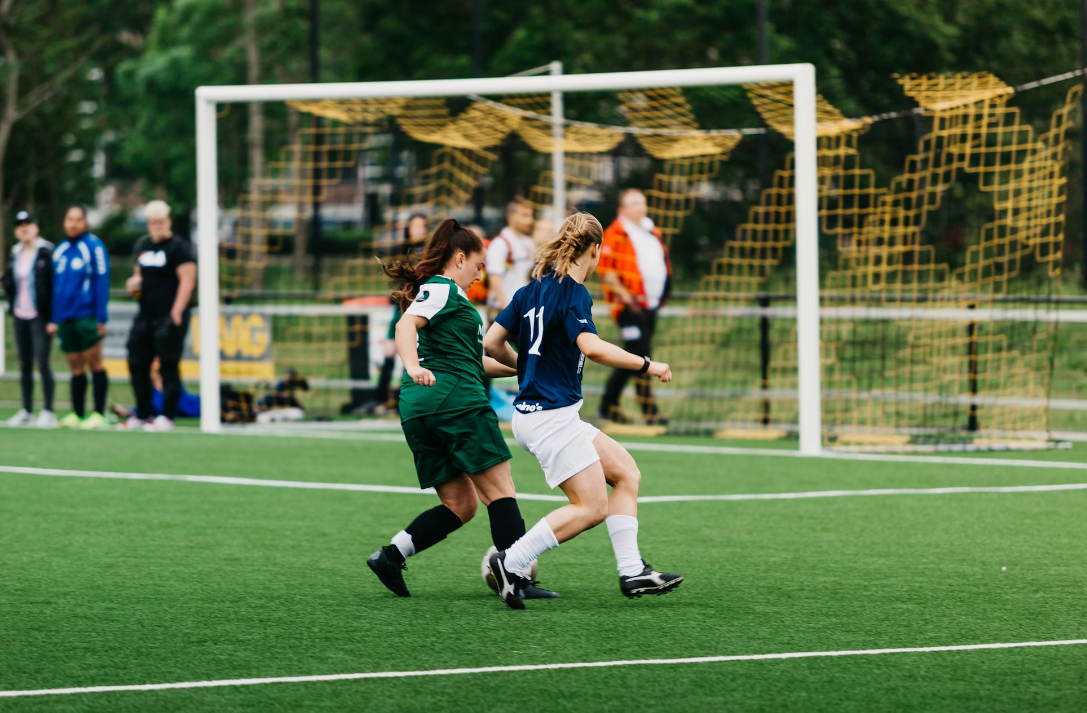
Sports rivalries are more than just contests between teams or individuals; they embody intense competition, storied histories, and passionate fan bases that span generations. From iconic matchups in traditional sports to historic showdowns in niche disciplines, legendary rivalries captivate audiences worldwide, defining eras, shaping legacies, and etching unforgettable moments into the annals of sports history. This guide delves into some of the most celebrated rivalries across various sports, examining their origins, key moments, cultural significance, and enduring impact on athletes, fans, and the sporting world. The Origins of Rivalry: Competition and Tradition Rivalries often trace their origins to geographical proximity, historical context, or shared championship aspirations, fueling intense competition and fervent fan loyalty. In team sports like soccer, the “El Clásico” between FC Barcelona and Real Madrid epitomizes the rivalry between Catalonia and Spain, dating back to the early 20th century. In American football, the “Army-Navy Game” between the United States Military Academy and the United States Naval Academy symbolizes a long-standing tradition of service academy rivalry, rooted in mutual respect and national pride. These rivalries transcend sports, embodying cultural divides, regional pride, and the pursuit of athletic supremacy that captivates audiences worldwide. Iconic Matchups and Memorable Moments Legendary rivalries are defined by iconic matchups and memorable moments that capture the essence of competition and sportsmanship. In tennis, the rivalry between Roger Federer and Rafael Nadal has produced epic encounters on the grandest stages, showcasing contrasting styles, mutual respect, and a shared pursuit of excellence. In basketball, the “Boston Celtics vs. Los Angeles Lakers” rivalry spans decades, featuring memorable NBA Finals matchups that have shaped the legacies of basketball legends like Larry Bird and Magic Johnson. These matchups not only showcase athletic prowess but also highlight the strategic maneuvers, clutch performances, and dramatic narratives that elevate rivalries to legendary status. Cultural Significance and Fan Passion Rivalries hold cultural significance and evoke passionate fan loyalty that transcends sports, influencing traditions, identities, and community pride. In soccer, the “Old Firm” rivalry between Celtic FC and Rangers FC in Scotland embodies sectarian divides, cultural heritage, and a fierce rivalry dating back over a century. The annual “Yankees vs. Red Sox” rivalry in Major League Baseball (MLB) symbolizes the historic rivalry between Boston and New York, captivating fans with intense competition, historic ballparks, and memorable postseason battles. These rivalries unite communities, inspire generations of fans, and reinforce the cultural fabric that binds sports to social identity and collective memory. Rivalry in Individual Sports and Niche Disciplines Rivalries in individual sports and niche disciplines showcase personal rivalries, technical mastery, and the pursuit of individual greatness. In Formula 1 racing, the rivalry between Ayrton Senna and Alain Prost during the late 1980s epitomized the battle for supremacy on the track, characterized by contrasting driving styles and high-stakes championship battles. In combat sports like boxing, the historic rivalry between Muhammad Ali and Joe Frazier transcended sport, symbolizing ideological differences, racial tensions, and social justice movements that defined an era. These individual rivalries inspire admiration, debate, and cultural commentary on courage, determination, and the pursuit of sporting excellence. Impact on Athletes and Sporting Legacies Legendary rivalries have a profound impact on athletes, shaping their careers, defining their legacies, and inspiring future generations. Athletes thrive on rivalry, using it as motivation to push their limits, elevate their performance, and achieve greatness in the face of formidable opponents. Rivalries create memorable narratives, iconic moments, and enduring rivalries that resonate with fans, shaping the cultural narrative of sports history. Athletes embody the values of sportsmanship, resilience, and perseverance, demonstrating the transformative power of competition and the pursuit of excellence. Evolution and Future of Rivalries As sports evolve and globalize, new rivalries emerge, reflecting shifting dynamics, cultural shifts, and the globalization of sports fandom. Emerging rivalries in eSports, such as “League of Legends” between international teams, illustrate the evolution of competition in digital sports and the growing influence of online gaming communities. As sports continue to evolve, rivalries will continue to evolve, reflecting the changing dynamics, cultural shifts, and the globalization of sports fandom. The growing influence of online gaming communities and the emergence of new sports, such as “League of Legends,” illustrate the evolution of competition in digital sports and the growing influence of online gaming communities.

Mindfulness in Sports: The Power of Focus and Presence

In the world of sports, where split-second decisions and peak performance are paramount, mindfulness has emerged as a powerful tool for enhancing athletes’ mental acuity, emotional resilience, and overall well-being. Mindfulness in sports encompasses the practice of cultivating present-moment awareness, harnessing focused attention, and fostering mental clarity to optimize performance and promote holistic athlete development. This guide explores the transformative impact of mindfulness in sports, highlighting its benefits, practical applications, and strategies for integrating mindfulness techniques into training, competition, and daily life. Understanding Mindfulness At its core, mindfulness is the practice of intentionally paying attention to the present moment without judgment. Rooted in ancient contemplative traditions, mindfulness has gained traction in sports psychology as a means to enhance athletes’ mental focus, emotional regulation, and overall performance. By cultivating awareness of thoughts, emotions, and bodily sensations, athletes can develop a heightened sense of clarity, concentration, and responsiveness to the demands of training and competition. Benefits of Mindfulness in Sports Mindfulness offers a myriad of benefits that positively impact athletic performance and well-being. Firstly, it enhances focus and concentration by training athletes to redirect attention to the task at hand, minimizing distractions and improving decision-making under pressure. Secondly, mindfulness promotes emotional resilience by fostering acceptance of challenges, setbacks, and uncertainties inherent in sports, thereby reducing stress, anxiety, and performance-related fears. Thirdly, it improves self-awareness and body awareness, enabling athletes to tune into physical cues, optimize movement efficiency, and prevent injuries during training and competition. Finally, mindfulness enhances overall mental clarity and cognitive function, sharpening athletes’ ability to anticipate opponents’ actions, strategize effectively, and adapt to dynamic game situations. Practical Applications of Mindfulness Techniques Integrating mindfulness techniques into sports training and competition involves various practices that enhance athletes’ mental, emotional, and physical readiness. Mindful breathing exercises, such as diaphragmatic breathing or box breathing, help athletes regulate arousal levels, promote relaxation, and center attention before practice sessions or competitive events. Mindful movement practices, such as yoga, Tai Chi, or body scan meditation, improve flexibility, balance, and kinesthetic awareness while cultivating mindfulness in motion. Visualization and mental imagery techniques allow athletes to mentally rehearse performance scenarios, refine skills, and build confidence in their abilities. Additionally, mindful eating habits and sleep hygiene practices support overall well-being, optimize recovery, and sustain peak performance throughout the competitive season. Cultivating Mindfulness in Training Environments Coaches and sports organizations play a pivotal role in cultivating a mindful training environment that supports athletes’ mental and emotional development. By integrating mindfulness into coaching practices, warm-up routines, and team meetings, coaches can promote a culture of mental resilience, focus, and mutual respect among athletes. Implementing mindfulness-based stress reduction (MBSR) programs or workshops provides athletes with practical tools and strategies to manage performance pressure, enhance self-awareness, and cultivate a positive mindset. By incorporating mindfulness into sports training, coaches empower athletes to develop a holistic approach to performance that prioritizes mental well-being, resilience, and sustainable success in sports and life. Mindfulness in Competitive Settings During competitive events, athletes can leverage mindfulness techniques to maintain composure, sustain concentration, and perform at their best under pressure. Grounding exercises, such as mindful breathing or body scan meditation, help athletes stay present, regulate emotions, and channel nervous energy into focused action. Mindfulness-based performance cues, such as focusing on technique, executing game plans, or staying attuned to teammates’ movements, enhance situational awareness and decision-making capabilities during critical moments of competition. By embracing mindfulness in competitive settings, athletes cultivate a mental edge that enhances performance consistency, resilience in adversity, and a sense of fulfillment derived from the pursuit of mastery in sports. Integrating Mindfulness into Athlete Development Mindfulness serves as a cornerstone of holistic athlete development, nurturing physical, mental, and emotional well-being throughout an athlete’s career journey. From youth sports development programs to elite professional training environments, integrating mindfulness into athlete development fosters lifelong habits of self-care, resilience, and self-discovery. Youth athletes benefit from mindfulness practices that promote emotional regulation, focus, and teamwork skills essential for personal growth and athletic success. Collegiate and professional athletes leverage mindfulness to navigate the demands of academic commitments, competitive pressures, and life transitions with grace, adaptability, and a sense of purpose. Scientific Evidence and Endorsements The efficacy of mindfulness in sports is supported by a growing body of scientific research and endorsements from athletes, coaches, and sports psychologists worldwide. Studies indicate that mindfulness-based interventions improve attentional control, stress management, and performance outcomes across various sports disciplines. Athletes who practice mindfulness report enhanced mental toughness, resilience, and overall well-being, contributing to sustained excellence in sports performance and personal fulfillment. As mindfulness gains recognition as a valuable tool in sports psychology, its integration into athlete development programs and coaching curricula continues to evolve, shaping the future of sports performance optimization and athlete well-being. Conclusion Mindfulness in sports represents a transformative approach to enhancing athletic performance, mental resilience, and overall well-being by cultivating present-moment awareness, focused attention, and emotional balance. By integrating mindfulness practices into training, competition, and daily life, athletes develop essential skills that optimize performance, sustain peak mental and physical health, and foster lifelong habits of self-care and personal growth. As mindfulness continues to shape the landscape of sports psychology, its profound impact on athlete development underscores its role as a cornerstone of holistic performance optimization and well-being in the global sporting community.

The Role of Sports Agents in Athletes’ Careers

Sports agents play a vital role in the professional sports industry, acting as intermediaries between athletes, teams, sponsors, and media entities. Their responsibilities encompass a wide range of tasks aimed at maximizing athletes’ careers, securing lucrative contracts, managing endorsements, and navigating the complex landscape of professional sports. Let’s delve into the multifaceted role of sports agents, exploring their duties, impact on athletes’ careers, and the evolving dynamics of athlete representation in the modern sports era. Duties and Responsibilities Contract Negotiation Sports agents negotiate contracts on behalf of athletes with teams, leagues, and sponsors. This includes securing favorable terms, maximizing financial compensation, and ensuring contractual clauses protect the athlete’s interests. Endorsement Deals Agents pursue endorsement opportunities for athletes, negotiating partnerships with brands, advertisers, and media outlets to enhance the athlete’s public image, marketability, and revenue streams outside of sports contracts. Financial Management Agents oversee athletes’ financial affairs, including budgeting, investment guidance, tax planning, and wealth management strategies to secure long-term financial stability and maximize earnings potential. Career Guidance Agents provide career guidance, strategic planning, and decision-making support to athletes, helping them navigate career transitions, endorsements, media engagements, and post-retirement opportunities. Legal and Regulatory Compliance Agents ensure athletes comply with league regulations, contractual obligations, endorsement agreements, and legal requirements, mitigating risks, and resolving disputes through legal counsel when necessary. Impact on Athletes’ Careers Contract Maximization Sports agents leverage their negotiation skills, market insights, and industry relationships to secure lucrative contracts, endorsement deals, and performance incentives that maximize athletes’ earnings and career longevity. Brand Building Agents play a crucial role in building athletes’ personal brands, cultivating public image, and enhancing marketability through strategic endorsements, media appearances, social media management, and community engagement initiatives. Career Advancement Agents facilitate career advancement opportunities for athletes, including trades, free agency negotiations, contract extensions, and endorsements that align with the athlete’s goals, values, and long-term career aspirations. Financial Security Agents help athletes achieve financial security by managing their finances responsibly, investing wisely, and planning for post-career transitions, retirement, and legacy planning to ensure a sustainable financial future. Legal Protection Agents provide legal guidance, contract review, and risk management strategies to protect athletes’ rights, intellectual property, and contractual interests in negotiations, endorsements, and career-related matters. Evolving Dynamics in Athlete Representation Specialization and Expertise Sports agencies specialize in representing athletes across specific sports, disciplines, or market segments, offering tailored services, industry expertise, and personalized strategies to meet athletes’ unique needs and career goals. Global Reach Sports agents operate on a global scale, representing athletes from diverse backgrounds, nationalities, and sports disciplines, leveraging international networks, marketing opportunities, and endorsement markets. Digital Influence Agents harness digital platforms, social media, and digital marketing strategies to amplify athletes’ brands, engage fans, and monetize online content, creating new revenue streams and opportunities for athlete endorsement deals. Player Empowerment Athletes are increasingly empowered to make informed decisions, choose representation models, and negotiate directly with teams, sponsors, and media entities, reshaping the traditional agent-player relationship dynamics. Ethical Standards Sports agencies adhere to ethical standards, transparency, and professional conduct codes in athlete representation, emphasizing integrity, confidentiality, and fiduciary responsibility in client-agent relationships. Conclusion Sports agents play a pivotal role in athletes’ careers, providing essential services, strategic guidance, and representation expertise that shape their success, financial security, and professional legacy in the competitive sports industry. As the sports landscape evolves, the role of sports agents continues to adapt, incorporating digital innovations, global opportunities, and athlete empowerment models that redefine athlete representation, brand building, and career management strategies. Embracing ethical standards, industry best practices, and collaborative partnerships enhances the impact of sports agents in advancing athletes’ careers, fostering sustainable success, and empowering athletes to achieve their full potential on and off the field.

Sports Fashion: Evolution of Athletic Apparel and Style

Athletic apparel has evolved significantly over the decades, reflecting not only advancements in technology and materials but also shifting cultural trends and the demands of various sports disciplines. From functional performance wear to iconic fashion statements, the evolution of sports fashion has reshaped how athletes dress and how sports influence mainstream fashion. This guide delves into the history, innovations, and cultural impact of sports fashion, highlighting its evolution from practical sportswear to a global phenomenon that merges style, performance, and innovation. Early Beginnings: Functional Sportswear The roots of sports fashion can be traced back to the late 19th and early 20th centuries when practicality and functionality defined athletic apparel. Early sportswear focused on durability and ease of movement, catering primarily to athletes’ needs during competition. For instance, tennis players wore long-sleeved shirts and long skirts made of heavy materials like flannel, while swimmers opted for woolen swimsuits that offered minimal drag in the water. The emphasis was on performance-enhancing features such as moisture-wicking fabrics, lightweight construction, and ergonomic designs that provided athletes with a competitive edge. Rise of Performance Technology The mid-20th century marked a pivotal period in sports fashion with the advent of performance-enhancing technologies and synthetic fabrics. Innovations such as nylon, polyester, and spandex revolutionized athletic apparel by offering superior moisture management, breathability, and flexibility. Brands like Nike, Adidas, and Puma emerged as pioneers in sports apparel, introducing iconic designs and cutting-edge technologies tailored to meet the specific needs of athletes across different sports disciplines. The introduction of track suits, compression garments, and specialized footwear further enhanced athletes’ performance and comfort, setting new standards in sports fashion. Cultural Influence and Iconic Styles Sports fashion transcended the realm of athletics to influence mainstream culture and fashion trends. The 1970s and 1980s witnessed the rise of athleisure—a blend of athletic and leisurewear—as casual sportswear became increasingly popular for everyday wear. Influential athletes and sports icons like Michael Jordan and Serena Williams became style icons, influencing global fashion trends with their signature sneakers, apparel lines, and endorsement deals. The fusion of performance-driven design and streetwear aesthetics gave rise to iconic styles such as basketball jerseys, tracksuits, and sneakers that became synonymous with urban fashion and youth culture. Fashion Collaboration and Designer Sportswear The 21st century saw a convergence of high fashion and sports apparel through collaborative efforts between luxury designers and athletic brands. Collaborations like Stella McCartney for Adidas and Virgil Abloh for Nike blurred the lines between sportswear and high fashion, introducing couture-inspired designs, premium materials, and limited-edition collections that appealed to fashion-forward consumers and collectors alike. Designer sportswear not only elevated the aesthetic appeal of athletic apparel but also underscored its versatility as a statement of style and status within the fashion industry. Sustainability and Ethical Fashion In recent years, sustainability has emerged as a driving force in sports fashion, prompting brands to adopt eco-friendly practices and materials in response to environmental concerns. Innovations in recycled fabrics, organic cotton, and biodegradable materials have reshaped the landscape of athletic apparel, offering consumers sustainable alternatives without compromising on performance or style. Sportswear brands are increasingly prioritizing ethical manufacturing practices, fair labor standards, and supply chain transparency to meet the growing demand for environmentally conscious fashion choices among athletes and consumers worldwide. Technological Advancements and Smart Textiles The future of sports fashion lies in technological advancements and smart textiles that enhance performance, comfort, and connectivity. Innovations such as wearable sensors, moisture-sensing fabrics, and 3D-printed footwear are revolutionizing athletic apparel by providing real-time performance data, personalized fit adjustments, and interactive experiences for athletes. Smart textiles embedded with sensors monitor biometric data, track movement patterns, and optimize training regimens, offering athletes unprecedented insights into their performance and recovery processes. As technology continues to evolve, sports fashion is poised to integrate smart features that redefine how athletes train, compete, and interact with their gear. Global Influence and Diversity Sports fashion has evolved into a global phenomenon that celebrates diversity, inclusivity, and cultural expression through athletic apparel and style. Regional influences, indigenous designs, and traditional craftsmanship are increasingly integrated into sports fashion collections, showcasing the rich diversity of global cultures and heritage. Athletes from diverse backgrounds and identities bring unique perspectives to sports fashion, inspiring innovative designs, collaborative partnerships, and inclusive marketing campaigns that resonate with global audiences and celebrate the universal appeal of sportsmanship and athletic achievement. Conclusion The evolution of sports fashion reflects a dynamic interplay of innovation, cultural influence, and technological advancement that continues to shape the way athletes dress and the impact of sports on mainstream fashion. From functional sportswear to high-performance apparel and sustainable fashion choices, sports fashion continues to evolve, adapt, and inspire new trends that bridge the gap between athletic performance and personal style. As athletes, brands, and consumers embrace the intersection of sports and fashion, the future of sports fashion promises to redefine standards of excellence, creativity, and inclusivity in the global marketplace.

The Future of Sports Broadcasting

The landscape of sports broadcasting is undergoing a transformative evolution driven by technological advancements, shifting consumer preferences, and the digital revolution. From immersive viewing experiences to personalized content delivery, the future of sports broadcasting promises innovative solutions that enhance fan engagement, revenue generation, and the global reach of sports content. Let’s explore the key trends, technologies, and potential developments shaping the future of sports broadcasting. 1. Immersive Viewing Experiences Virtual and Augmented Reality (VR/AR) The integration of VR and AR technologies in sports broadcasting offers immersive experiences, allowing fans to virtually enter stadiums, view games from multiple angles, and interact with 3D graphics, statistics, and replays in real time. Mixed Reality Broadcasts Mixed reality combines physical and digital elements, enabling broadcasters to create interactive overlays, holographic displays, and enhanced storytelling experiences that engage viewers and blur the line between virtual and real-world sports environments. 2. Personalized Content Delivery AI-Driven Content Curation Artificial intelligence algorithms analyze viewer preferences, behavior patterns, and historical data to deliver personalized content recommendations, highlight reels, and customized viewing experiences tailored to individual fan interests. Interactive Features Sports broadcasts incorporate interactive features such as polls, quizzes, live chats, and social media integrations that enable fans to actively participate, engage with other viewers, and influence content decisions during live events. 3. Enhanced Data Analytics Advanced Statistics and Insights Sports analytics platforms leverage big data, machine learning, and predictive analytics to provide real-time statistics, performance metrics, and in-depth insights into player actions, game strategies, and tactical analysis for fans, coaches, and analysts. Player Tracking Technology Innovations like player tracking systems, wearables, and biometric sensors capture data on athletes’ movements, fitness levels, and health parameters, enhancing sports broadcasts with visualizations, heat maps, and player performance comparisons. 4. Multiplatform Distribution OTT Streaming Services Over-the-top (OTT) streaming platforms deliver sports content directly to viewers via internet-connected devices, offering on-demand access, live streaming, and interactive features that cater to cord-cutters, mobile users, and global audiences. Social Media Integration Sports broadcasters partner with social media platforms to livestream games, share highlights, and engage fans through viral content, user-generated videos, behind-the-scenes footage, and interactive fan experiences across social channels. 5. Emerging Technologies 5G Connectivity The rollout of 5G networks enables high-speed, low-latency streaming, ultra HD video quality, and real-time interactive features that enhance the viewing experience for sports fans on mobile devices, smart TVs, and streaming platforms. Blockchain and NFTs Blockchain technology facilitates secure transactions, digital rights management, and fan engagement initiatives such as non-fungible tokens (NFTs) for collectibles, memorabilia, and exclusive content ownership tied to sports broadcasts. 6. Global Expansion and Localization Internationalization Sports broadcasters expand their global reach through multilingual commentary, localized content, regional partnerships, and targeted marketing strategies that resonate with diverse cultural, linguistic, and geographic audiences worldwide. Localization and Personalization Localized broadcasts, regionalized content, and language options cater to international fans, enabling personalized viewing experiences, cultural relevance, and engagement with local sports leagues, teams, and events. 7. Fan Engagement and Community Building Virtual Fan Experiences Virtual fan zones, digital stadiums, and interactive fan clubs create virtual communities, social connections, and shared experiences for fans to engage with each other, support their teams, and participate in virtual events. Gamification and Esports Integration Gamified experiences, fantasy sports leagues, and esports integrations blend real-world sports with gaming elements, competitions, and interactive challenges that appeal to gaming enthusiasts, casual fans, and digital natives. Conclusion: Shaping the Future of Sports Broadcasting The future of sports broadcasting is defined by innovation, interactivity, and personalized experiences that cater to diverse audiences, embrace emerging technologies, and enhance the overall fan engagement ecosystem. As sports broadcasters adapt to evolving consumer demands, digital trends, and technological disruptions, they are poised to deliver immersive, data-driven, and socially connected sports experiences that transcend traditional boundaries, redefine content consumption, and elevate the global appeal of sports entertainment in the digital age.

The Legacy of Historic Sports Venues

Historic sports venues hold a special place in the hearts of fans, athletes, and communities worldwide. These iconic arenas, stadiums, and fields are not just physical structures but living monuments that embody the spirit of sportsmanship, competition, and cultural significance. From hosting legendary events to witnessing iconic moments, historic sports venues leave a lasting legacy that transcends generations and celebrates the rich history, heritage, and passion of sports. Let’s explore the profound impact and enduring legacy of historic sports venues across different sports and regions. 1. Symbol of Sporting Heritage Historic sports venues serve as symbols of sporting heritage, reflecting the evolution of sports, architectural design, and fan experiences over time. These venues showcase the traditions, values, and iconic moments that define the sporting legacy of a city, region, or country. Example: Fenway Park in Boston, Massachusetts, stands as a symbol of baseball’s heritage, hosting the Boston Red Sox since 1912 and witnessing legendary games, players, and World Series victories. 2. Iconic Moments and Memorable Events Historic sports venues have been witness to iconic moments, record-breaking performances, and historic events that etch themselves into the annals of sports history. These venues become synonymous with unforgettable achievements and milestones in sports. Example: Wembley Stadium in London, England, has hosted iconic events such as the FIFA World Cup final in 1966, UEFA Champions League finals, and historic matches in football, rugby, and athletics. 3. Cultural Landmarks and Tourism Attractions Historic sports venues are cultural landmarks and tourism attractions that attract visitors, sports enthusiasts, and history buffs from around the world. These venues contribute to the local economy, heritage tourism, and cultural identity of a city or region. Example: The Melbourne Cricket Ground (MCG) in Australia is not only a historic cricket venue but also a cultural icon, hosting cricket matches, AFL Grand Finals, and major events that draw tourists and sports fans. 4. Architectural Masterpieces Many historic sports venues are architectural masterpieces, showcasing innovative design, engineering excellence, and unique features that enhance the spectator experience and contribute to the venue’s allure. Example: The Roman Colosseum in Italy, dating back to ancient times, is a historic sports venue known for its architectural grandeur, amphitheater design, and cultural significance in hosting gladiatorial contests and public spectacles. 5. Community Engagement and Social Impact Historic sports venues foster community engagement, social cohesion, and civic pride by bringing people together for shared experiences, celebrations, and cultural events centered around sports. Example: Lambeau Field in Green Bay, Wisconsin, home of the Green Bay Packers, is more than a football stadium—it’s a symbol of community spirit, tradition, and the “Lambeau Leap” tradition that engages fans and creates lasting memories. 6. Preservation of Sporting History Preserving historic sports venues is essential for safeguarding sporting history, heritage conservation, and maintaining connections to past generations of athletes, fans, and sports culture. Example: Wimbledon’s All England Lawn Tennis and Croquet Club in London preserves the traditions of lawn tennis, hosting the prestigious Wimbledon Championships since 1877 and honoring the sport’s history and values. 7. Legacy and Inspiration for Future Generations Historic sports venues inspire future generations of athletes, fans, and sports enthusiasts by showcasing the achievements, legacies, and timeless moments that define the essence of sportsmanship, dedication, and excellence. Example: The Yankee Stadium in New York City, known as “The House That Ruth Built,” is a symbol of baseball excellence, inspiring generations of players and fans with its rich history, championships, and iconic moments. Conclusion: Honoring the Legacy of Historic Sports Venues The legacy of historic sports venues transcends mere bricks and mortar—it encompasses the spirit of sportsmanship, cultural heritage, and communal passion that unite people around the world. Whether it’s the roar of the crowd, the thrill of victory, or the memories of legendary performances, historic sports venues leave an indelible mark on the fabric of sports history, reminding us of the enduring power of sports to inspire, unite, and celebrate the human spirit across generations. As these venues continue to evolve and adapt to modern demands, they carry forward their legacy as timeless monuments to the magic of sports and the enduring legacy they represent.

Ut elit tellus, luctus nec ullamcorper mattis, pulvinar dapibus leo.

Other Pages

Home

About

Services

Team

Contact

Quick Links

Privacy Policy

Term of Services

Blogs

Pricing & Packs

FAQ

Work Hours

Oh to talking improve produce in limited offices fifteen an. Wicket branch to answer do we.

© 2023 Created with Royal Elementor Addons

Subscribeand Get Discount

Only for New Members

17 %
You have been successfully Subscribed! Ops! Something went wrong, please try again.
No, thank you I don't want to save