
Call Us

+1-(615) 799-4065

Our Location

California(CA), 91941

The Relationship Between Sports and Music

The intertwining of sports and music forms a dynamic and multifaceted relationship that transcends entertainment boundaries, ignites emotions, and unites diverse audiences worldwide. From anthems that rally fans to victory to halftime performances that electrify stadiums, the synergy between sports and music creates unforgettable moments, amplifies the spectator experience, and reflects the shared passions of athletes, musicians, and fans alike. Let’s explore the profound connection and symbiotic relationship between sports and music across various dimensions. 1. Inspiration and Motivation Musical Anthems: Sports teams and events often have iconic anthems and theme songs that inspire and motivate players and fans alike. These anthems become rallying cries that symbolize team spirit, unity, and the pursuit of victory. Example: “Eye of the Tiger” by Survivor became synonymous with perseverance and determination, inspiring athletes in training montages and pump-up moments before games. 2. Game-Day Atmosphere Pregame Rituals: Music sets the tone for game-day rituals, warm-ups, and player introductions, creating an electrifying atmosphere that energizes players and fires up fans before kickoff, tip-off, or first pitch. Example: The “Jock Jams” series of compilation albums featuring high-energy tracks became staples in sports arenas, pumping up crowds and setting the mood for game time. 3. Halftime Shows and Entertainment Halftime Performances: Major sporting events feature halftime shows and entertainment spectacles that showcase musical talents, choreography, and visual effects, enhancing the overall fan experience and adding excitement to the event. Example: The Super Bowl halftime show is a global phenomenon, featuring top-tier musicians, elaborate stage productions, and memorable performances that captivate millions of viewers worldwide. 4. Celebratory Moments Victory Celebrations: Music accompanies celebratory moments, championship victories, and post-game festivities, creating a soundtrack of triumph and jubilation for athletes, teams, and fans to revel in their success. Example: “We Are the Champions” by Queen is a timeless anthem played during championship celebrations, embodying the euphoria and pride of winning teams and their supporters. 5. Fan Engagement and Chants Chants and Cheers: Fans use music, chants, and cheers to support their teams, create a sense of camaraderie, and fuel the energy of live sporting events, turning stadiums into lively arenas of collective enthusiasm. Example: “Seven Nation Army” by The White Stripes became a popular chant among sports fans, with its distinctive riff energizing crowds and becoming a symbol of fan unity. 6. Cross-Promotion and Branding Music and Sponsorships: Sports events and music festivals often collaborate on cross-promotional campaigns, sponsorships, and branding initiatives that leverage the popularity of both industries and engage diverse audiences. Example: Brands like Nike, Adidas, and PepsiCo partner with musicians, athletes, and sports events to create integrated marketing campaigns, music videos, and branded content that resonate with consumers. 7. Social Causes and Activism Music for Social Impact: Musicians and athletes collaborate on social causes, charity initiatives, and activism efforts that raise awareness, inspire change, and promote unity, diversity, and inclusion in sports and society. Example: The “One Love Manchester” benefit concert, organized by Ariana Grande following the Manchester Arena bombing, united musicians, athletes, and fans in support of victims and peace. 8. Global Appeal and Cultural Exchange Music as a Universal Language: Sports events and music festivals serve as platforms for cultural exchange, global outreach, and diplomatic relations, fostering connections, understanding, and appreciation across borders. Example: The Olympic Games and FIFA World Cup feature cultural performances, musical showcases, and ceremonies that celebrate diversity, unity, and the power of sports and music to unite nations. 9. Emotional Connections and Memories Memorable Moments: Sports and music create lasting memories, emotional connections, and shared experiences that transcend time, leaving indelible impressions on fans, athletes, and communities. Example: “My Way” by Frank Sinatra is often played during sports retirements, championship parades, and tribute montages, evoking nostalgia, reflection, and appreciation for athletes’ careers. 10. Innovations and Collaborations Music-Driven Innovations: Sports and music industries collaborate on innovative technologies, interactive experiences, and digital platforms that enhance fan engagement, streaming services, and multimedia content delivery. Example: Virtual concerts, holographic performances, and augmented reality experiences integrate music and sports in innovative ways, offering immersive entertainment options for fans and audiences. Conclusion: Harmonizing Sports and Music The relationship between sports and music is a harmonious blend of passion, creativity, and shared experiences that enriches the cultural fabric of society. From stadium anthems to halftime spectacles, music elevates the excitement, emotion, and spectacle of sports, creating indelible moments that resonate with fans around the world. As sports and music continue to evolve, their symbiotic relationship will inspire new collaborations, innovations, and transformative experiences that captivate audiences, celebrate diversity, and unite communities through the universal language of entertainment, artistry, and athleticism.
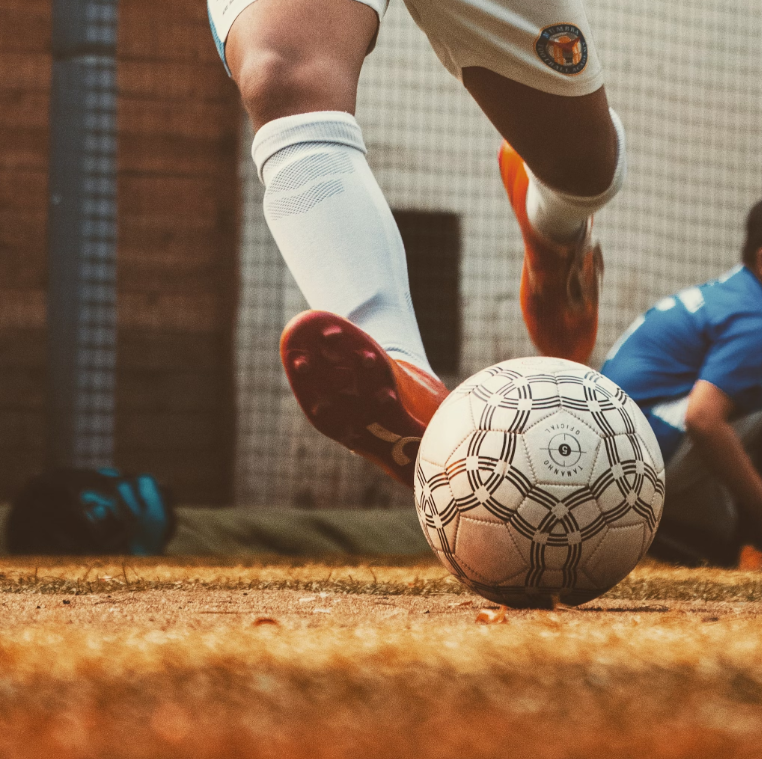

Sports for All: Inclusive Programs for People with Disabilities

In recent decades, the landscape of sports has evolved significantly to embrace inclusivity and diversity, particularly through the development of programs that cater to individuals with disabilities. These initiatives not only provide opportunities for physical activity and competition but also foster social integration, personal development, and empowerment. This guide delves into the importance, benefits, challenges, and impact of inclusive sports programs for people with disabilities, highlighting how these initiatives promote equality, accessibility, and participation in sports for all individuals. Importance of Inclusive Sports Programs Inclusive sports programs play a crucial role in promoting physical fitness, mental well-being, and social inclusion among people with disabilities. These programs provide individuals with opportunities to engage in physical activities tailored to their abilities, enhancing overall health, mobility, and quality of life. Participation in sports fosters a sense of achievement, self-confidence, and independence, empowering individuals to overcome barriers, challenge stereotypes, and redefine their capabilities. By promoting equal access to sports and recreation, inclusive programs contribute to breaking down societal barriers, promoting diversity, and creating a more inclusive and equitable society for all. Benefits of Participation The benefits of participation in inclusive sports programs extend beyond physical fitness to encompass social, psychological, and emotional well-being. Physically, sports activities improve cardiovascular health, muscle strength, flexibility, and coordination, addressing specific mobility challenges associated with various disabilities. Psychologically, sports participation enhances self-esteem, resilience, and stress management skills, promoting a positive self-image and mental health. Emotionally, sports provide opportunities for camaraderie, friendship, and social connection, reducing feelings of isolation and fostering a sense of belonging within the community. Additionally, participation in sports cultivates teamwork, leadership, and sportsmanship skills, preparing individuals for personal and professional success. Types of Inclusive Sports Programs Inclusive sports programs encompass a diverse range of activities tailored to accommodate different types of disabilities and individual needs. Adaptive sports, such as wheelchair basketball, para-swimming, and blind soccer, modify traditional sports rules and equipment to ensure inclusivity and competitive parity among athletes with disabilities. Integrated sports programs integrate athletes with disabilities into mainstream sports teams, fostering collaboration, mutual respect, and understanding among participants. Recreation-based programs offer non-competitive activities, such as adaptive yoga, dance, and cycling, that promote leisure, relaxation, and physical enjoyment in a supportive environment. Each program type provides unique opportunities for skill development, social interaction, and personal growth tailored to the diverse needs and interests of individuals with disabilities. Challenges and Barriers Despite the growing recognition and benefits of inclusive sports programs, several challenges and barriers persist that hinder equal participation and accessibility for people with disabilities. Physical barriers, such as inaccessible facilities and lack of adaptive equipment, limit opportunities for individuals with mobility impairments to engage in sports activities safely and effectively. Social barriers, including stigma, discrimination, and lack of awareness, create attitudes and perceptions that discourage participation and perpetuate misconceptions about the capabilities of individuals with disabilities. Financial constraints and limited funding for adaptive equipment, coaching staff, and program development pose additional challenges to establishing and sustaining inclusive sports initiatives in communities worldwide. Strategies for Promoting Inclusivity Effective strategies for promoting inclusivity in sports programs involve collaboration among stakeholders, advocacy for policy reforms, and community engagement initiatives. Collaboration between disability advocacy organizations, sports federations, and government agencies promotes partnerships that prioritize funding, resources, and infrastructure improvements to enhance accessibility and expand program offerings. Training and education programs for coaches, volunteers, and staff members emphasize inclusive practices, adaptive teaching methods, and disability awareness to create supportive environments that empower athletes with disabilities to thrive. Community engagement efforts, such as awareness campaigns, inclusive sports events, and outreach programs, raise public awareness, challenge stereotypes, and promote acceptance of diversity within the sports community. Impact on Individuals and Communities Inclusive sports programs have a transformative impact on individuals with disabilities, empowering them to achieve personal goals, build resilience, and embrace a healthier lifestyle. Participation in sports enhances physical fitness, mobility, and motor skills, improving overall health outcomes and reducing the risk of secondary health conditions associated with sedentary lifestyles. Psychosocially, sports foster social integration, friendship networks, and a sense of belonging, combating loneliness, isolation, and social exclusion. Athletes with disabilities serve as role models and advocates for inclusion, inspiring others to challenge barriers, pursue their passions, and contribute to positive social change within their communities. Collectively, inclusive sports programs promote unity, diversity, and equality, fostering a culture of acceptance and respect that transcends differences and celebrates the unique talents and abilities of all individuals. Future Directions and Opportunities Looking ahead, the future of inclusive sports programs holds promise for continued growth, innovation, and expansion to reach more individuals with disabilities worldwide. Advances in adaptive technology, sports medicine, and rehabilitation research will enhance athletic performance, optimize training techniques, and improve the overall health and well-being of athletes with disabilities. Increased investment in inclusive sports infrastructure, training programs, and policy reforms will promote equal access, participation, and representation of individuals with disabilities in sports at all levels. By championing inclusivity, diversity, and accessibility, inclusive sports programs will continue to enrich lives, transform communities, and empower individuals with disabilities to thrive, succeed, and pursue their dreams in sports and beyond. Conclusion Inclusive sports programs are a catalyst for social change, promoting equality, accessibility, and participation in sports for individuals with disabilities. By providing opportunities for physical activity, skill development, and social integration, these programs empower participants to overcome barriers, achieve personal goals, and embrace a healthier, more active lifestyle. As global awareness and support for inclusivity in sports grow, the impact of inclusive sports programs will continue to expand, creating a more inclusive and equitable society where everyone, regardless of ability, has the opportunity to experience the transformative power of sports.

Unlocking Comfort: The Role of an Industrial

HVAC System Engineer In the vast landscape of industrial facilities, maintaining optimal indoor environments is not just a matter of comfort; it’s crucial for productivity, equipment longevity, and even safety. Behind the scenes, ensuring these conditions are met falls on the shoulders of skilled professionals known as Industrial HVAC System Engineers. Let’s delve into the world of these indispensable experts and explore their vital contributions to the smooth functioning of various industries. Understanding the Role An industrial hvac system engineer is not merely a technician; they are the architects of climate control within industrial settings. Their expertise lies in designing, installing, maintaining, and optimizing Heating, Ventilation, and Air Conditioning (HVAC) systems tailored to the unique needs of industrial environments. From factories to warehouses, data centers to pharmaceutical facilities, these engineers ensure that the air quality, temperature, and humidity levels are conducive to the processes at hand. Designing for Efficiency One of the primary responsibilities of an Industrial HVAC System Engineer is designing systems that maximize efficiency while minimizing energy consumption. This involves meticulous calculations, considering factors such as building size, occupancy levels, heat-generating machinery, and local climate conditions. By implementing advanced technologies and innovative design strategies, these engineers strive to create HVAC systems that deliver optimal performance with minimal environmental impact. Installation and Commissioning Once the design phase is complete, the role of the Industrial HVAC System Engineer transitions to installation and commissioning. This phase demands precision and attention to detail, as even minor errors can lead to inefficiencies or system malfunctions. From overseeing ductwork installation to configuring complex control systems, these engineers ensure that every component functions harmoniously to achieve the desired indoor climate conditions. Maintenance and Optimization Industrial HVAC systems are subject to wear and tear over time, making proactive maintenance essential to prevent breakdowns and ensure longevity. Industrial HVAC System Engineers play a critical role in developing comprehensive maintenance schedules and implementing predictive maintenance techniques. By conducting regular inspections, performing system diagnostics, and fine-tuning performance parameters, they keep HVAC systems operating at peak efficiency. Adapting to Technological Advancements In today’s rapidly evolving technological landscape, staying abreast of innovations is paramount for Industrial HVAC System Engineers. Whether it’s integrating smart sensors for real-time monitoring, implementing energy-efficient HVAC technologies, or exploring renewable energy sources for heating and cooling, these professionals continually seek ways to enhance system performance and sustainability. Meeting Regulatory Compliance Industrial facilities are subject to stringent regulatory requirements governing indoor air quality, ventilation standards, and environmental sustainability. Industrial HVAC System Engineers serve as compliance experts, ensuring that HVAC systems meet all relevant regulations and standards. By staying informed about evolving regulatory landscape, they help organizations avoid penalties and maintain a safe and healthy work environment for employees. Electrical Replacement: The Silent Hero Amidst the complex network of components within industrial HVAC systems, electrical components often play a silent yet crucial role. From motors and actuators to control panels and wiring, these electrical elements form the backbone of HVAC infrastructure. When it comes to electrical replacement, Industrial HVAC System Engineers are adept at identifying faulty components, sourcing suitable replacements, and seamlessly integrating them into existing systems, ensuring uninterrupted operation. Conclusion In the realm of industrial operations, where precision and reliability are paramount, Industrial HVAC System Engineers emerge as indispensable assets. From conceptualization to implementation, from maintenance to optimization, these professionals orchestrate the symphony of climate control, unlocking comfort, efficiency, and productivity within industrial facilities. As industries continue to evolve, the role of Industrial HVAC System Engineers will remain vital in shaping environments where both people and processes thrive.

Ut elit tellus, luctus nec ullamcorper mattis, pulvinar dapibus leo.

Other Pages

Home

About

Services

Team

Contact

Quick Links

Privacy Policy

Term of Services

Blogs

Pricing & Packs

FAQ

Work Hours

Oh to talking improve produce in limited offices fifteen an. Wicket branch to answer do we.

© 2023 Created with Royal Elementor Addons

Subscribeand Get Discount

Only for New Members

17 %
You have been successfully Subscribed! Ops! Something went wrong, please try again.
No, thank you I don't want to save