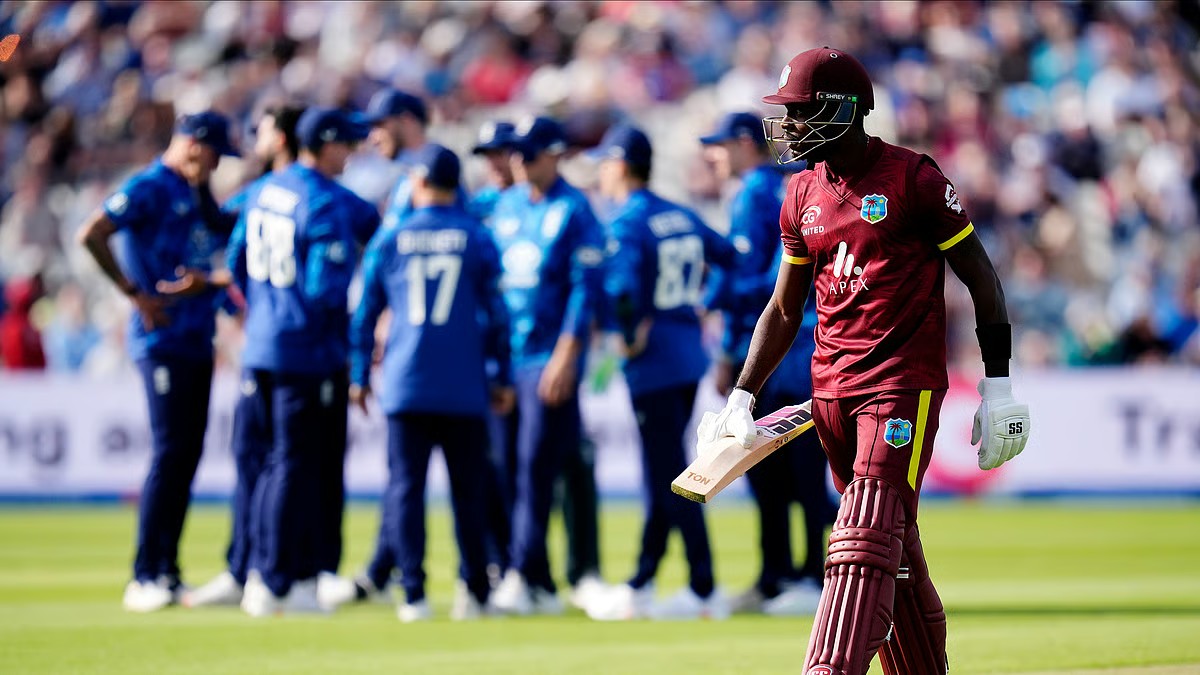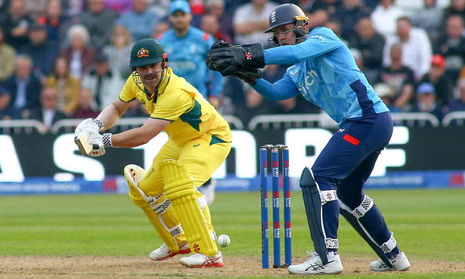
England Cricket Team vs Australian Men’s Cricket Team Timeline: The Complete Ashes Rivalry

The England Cricket Team vs Australian Men’s Cricket Team timeline represents one of the oldest and most famous rivalries in international cricket. Known as The Ashes, the contest between England and Australia dates back to 1877 and has produced some of the greatest matches, players, series, and moments in cricket history. The rivalry began with Australia’s first Test tour of England in 1877. The famous Ashes name emerged after Australia’s victory at The Oval in 1882, when a satirical obituary claimed that English cricket had died and that “the body” would be cremated and the ashes taken to Australia. Since then, England and Australia have competed for the Ashes across generations. From W.G. Grace and Fred Spofforth to Don Bradman, Jack Hobbs, Shane Warne, Ian Botham, Steve Smith, Ben Stokes, and James Anderson, the rivalry has featured many of cricket’s greatest names. Although the Ashes is primarily a Test rivalry, England and Australia have also produced major ODI and T20 World Cup encounters. The Test series remains the centerpiece, with the traditional five-Test format creating some of international cricket’s most dramatic contests. England vs Australia Timeline at a Glance Year Major Event Result/Highlight 1877 First Test Australia won by 45 runs 1882 Oval Test Australia won; Ashes legend begins 1882–83 First Ashes tour Australia won 2–1 1932–33 Bodyline Series Major Ashes controversy 1948 Invincibles tour Australia remained unbeaten 1956 Jim Laker Test England won by 10 wickets 1981 Botham’s Ashes England won 3–1 1985 Ashes series England won 3–1 2005 Modern classic England won 2–1 2006–07 Ashes in Australia Australia won 5–0 2009 Ashes in England England won 2–1 2010–11 Ashes in Australia England won 3–1 2013 Ashes in England England won 3–0 2015 Ashes in England England won 3–2 2019 Ashes Series drawn 2–2 2021–22 Ashes in Australia Australia won 4–0 2023 Ashes in England Series drawn 2–2 2025–26 Ashes in Australia Australia won 4–1 1877: The First England vs Australia Test The rivalry began before the Ashes had its name. On 15 March 1877, Australia and England played what is now recognized as the first Test match in history at the Melbourne Cricket Ground. Australia batted first and scored 245, with Charles Bannerman making 165. England replied with 196. Australia then scored 104 in the second innings, setting England 154 to win. England were dismissed for 108. Australia therefore won the first Test by 45 runs. First Test Match Team 1st Innings 2nd Innings Australia 245 104 England 196 108 Result Australia won by 45 runs The match became the starting point of the oldest continuous rivalry in Test cricket. 1877: The Second Test A second Test was played in Melbourne later that month. England won by four wickets, meaning the first series between the countries ended 1–1. Test Result 1st Test Australia won by 45 runs 2nd Test England won by 4 wickets Series Drawn 1–1 At this stage, there was no Ashes trophy and the rivalry had not yet acquired its famous name. 1882: The Birth of the Ashes The legendary Ashes story began at The Oval in London in August 1882. England were bowled out for 77 in their first innings. Australia replied with 63. England then made 175, leaving Australia a target of 85. Australia reached 83/9. England’s Ted Peate dismissed the final Australian batter, leaving Australia two runs short. Australia won by seven runs. The result shocked English cricket. A satirical obituary published in the Sporting Times announced the “death” of English cricket and stated that the body would be cremated and the ashes taken to Australia. The term The Ashes was born. 1882–83: The First Ashes Tour England toured Australia during the 1882–83 season. The series is traditionally regarded as the first Ashes contest. Australia won the first Test in Melbourne. England won the second Test in Sydney. Australia won the third Test at Melbourne. First Ashes Series Test Result 1st Australia won 2nd England won 3rd Australia won Series Australia won 2–1 The Ashes tradition was now firmly established. Early Ashes History: 1880s–1900s The late 19th century produced fiercely competitive Ashes cricket. England and Australia regularly exchanged series victories. Australia’s rise was particularly significant during the 1890s, with players such as Fred Spofforth, George Giffen, and Harry Trott becoming major figures. England also produced legendary players including W.G. Grace, one of the most influential cricketers of the Victorian era. By the beginning of the 20th century, the Ashes had become a central event in international cricket. 1902: One of the Greatest Early Tests The 1902 Ashes series produced several memorable matches. The fifth Test at The Oval became particularly famous. Australia scored 324 in its first innings. England responded with 183. Australia made 121 in its second innings, setting England 263 to win. England collapsed to 48/5 before Gilbert Jessop launched a remarkable counterattack. Jessop scored a century at extraordinary speed, but England were eventually dismissed for 175. Australia won by 3 runs. 1902 Oval Test Team Score Australia 324 & 121 England 183 & 175 Result Australia won by 3 runs The match remains one of the narrowest and most memorable Ashes Tests. 1932–33: The Bodyline Series One of the most controversial chapters in the England vs Australia cricket timeline came during the 1932–33 Ashes in Australia. England developed a bowling strategy known as Bodyline, designed primarily to counter Australia’s batting superstar Don Bradman. Fast bowlers delivered short-pitched balls aimed toward the batsman’s body while fielders were positioned on the leg side. The tactic generated fierce controversy in Australia. England won the five-Test series 4–1, but the cricketing relationship between the countries was heavily strained. Bodyline Series Detail Information Year 1932–33 Venue Australia Series Result England won 4–1 Key Australian Batter Don Bradman Main England Bowlers Harold Larwood, Bill Voce Main Issue Bodyline bowling The controversy became one of the most famous tactical disputes in cricket history. 1948: The Invincibles Australia’s 1948 tour of England produced one of the greatest teams in cricket history. Led by Don Bradman, Australia
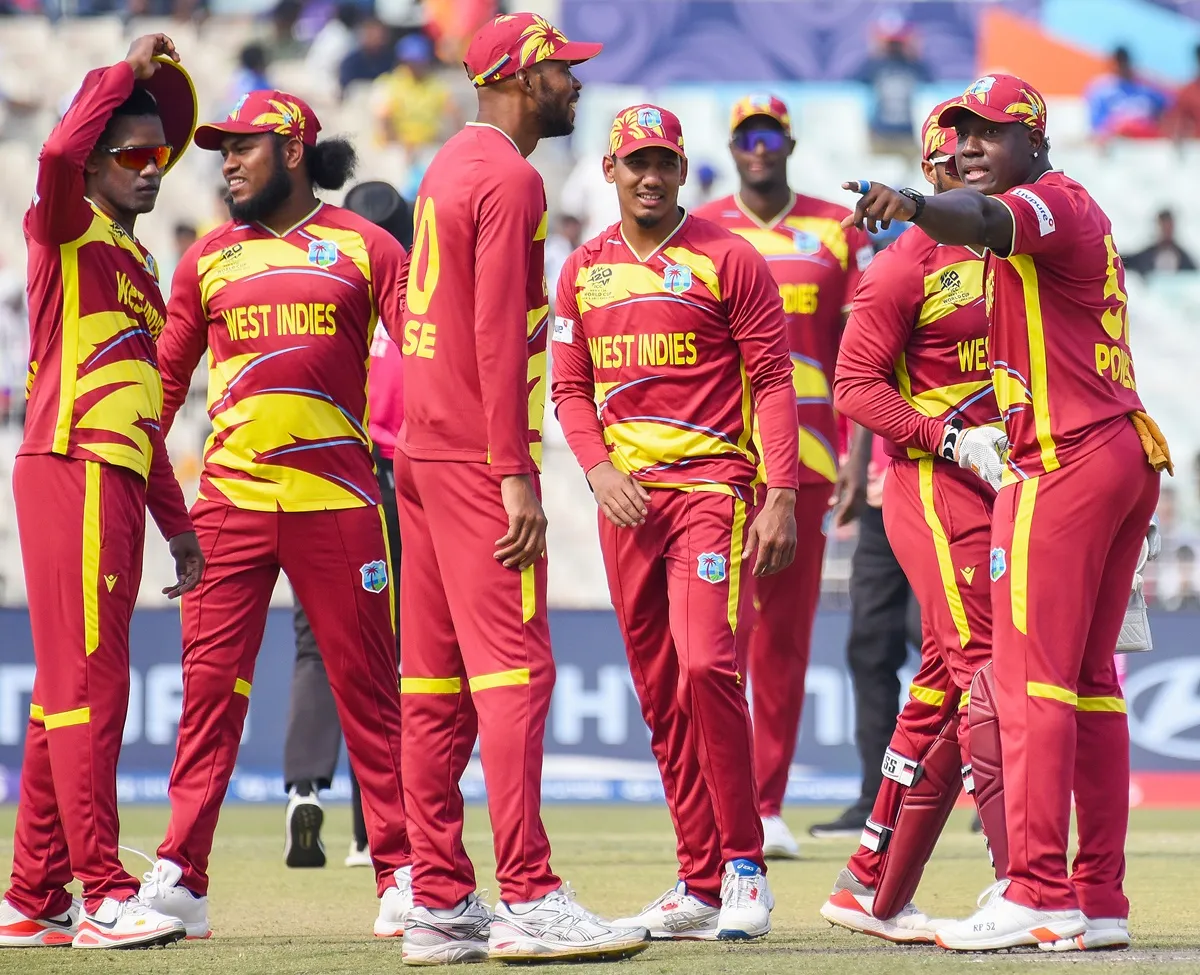
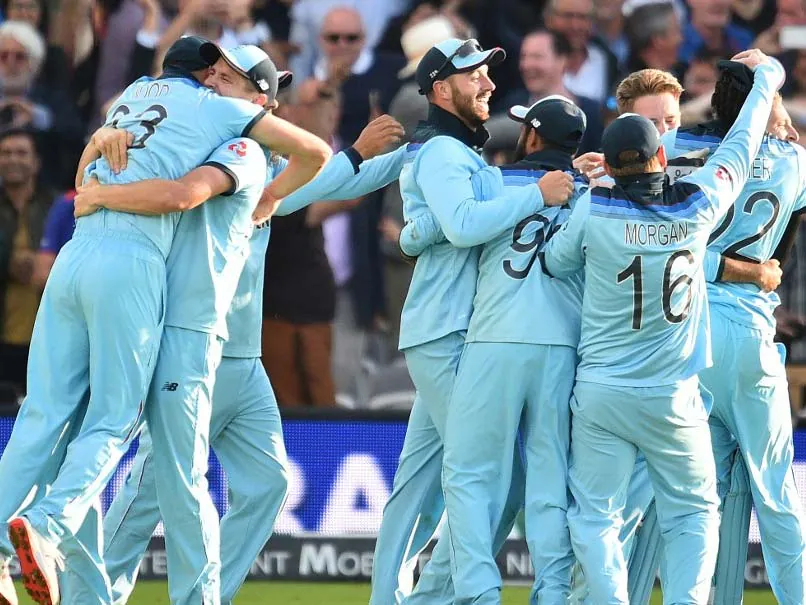
West Indies Cricket Team vs Zimbabwe National Cricket Team Timeline: A Historic Cricket Rivalry

The West Indies cricket team vs Zimbabwe national cricket team rivalry may not have the same century-long history as some of international cricket’s biggest rivalries, but it has produced several important matches and memorable moments across Test, ODI and T20 cricket. The two teams first played a Test series in 2000, when Zimbabwe toured the Caribbean. West Indies won that two-match series 2–0. Since then, the teams have met regularly in bilateral cricket and ICC tournaments. West Indies have generally held the advantage in Test cricket, while Zimbabwe have produced several competitive performances in limited-overs cricket. The rivalry has also featured some important milestones for individual players, including performances by Brian Lara, Chris Gayle, Shai Hope, Sikandar Raza and Sean Williams. One of the most recent major meetings came at the 2026 ICC Men’s T20 World Cup, when West Indies defeated Zimbabwe by 107 runs in the Super Eight stage. West Indies scored 254/6, their highest total of the tournament, while Shimron Hetmyer made 85 from 34 balls. West Indies vs Zimbabwe Timeline at a Glance Year Major Event Result/Significance 1999 ODI meeting in Singapore West Indies win by 6 wickets 2000 First Test series West Indies win 2–0 2000 NatWest Series in England Zimbabwe defeat West Indies twice 2001 Clive Lloyd Trophy era begins Test rivalry receives a named trophy 2013 Zimbabwe tour West Indies West Indies win Tests 2–0, ODIs 3–0 and T20Is 2–0 2017 Zimbabwe hosts West Indies West Indies win Test series 1–0 2018 World Cup Qualifier Zimbabwe and West Indies meet in Super Six 2022 T20 World Cup West Indies defeat Zimbabwe by 31 runs 2023 Zimbabwe Test series West Indies win 1–0 2026 T20 World Cup West Indies defeat Zimbabwe by 107 runs 1999: Early ODI Encounters Before the teams began their Test rivalry, West Indies and Zimbabwe had already met in ODI cricket. One notable meeting took place in September 1999 in Singapore during a triangular one-day tournament involving India, Zimbabwe and West Indies. Zimbabwe batted first and scored 244 runs, with Andy Flower making 89. West Indies chased the target successfully, reaching 247/4 and winning by six wickets. Sherwin Campbell scored 63, while Ricardo Powell remained unbeaten on 51. This was part of the period when Zimbabwe were establishing themselves as a competitive ODI team. 2000: The Test Rivalry Begins The official Test rivalry between West Indies and Zimbabwe began in March 2000. Zimbabwe toured the Caribbean for a two-Test series. West Indies won both Tests. 2000 Test Series Test Venue Result 1st Test Queen’s Park Oval, Trinidad West Indies won by 35 runs 2nd Test Sabina Park, Jamaica West Indies won by 10 wickets Series Caribbean West Indies won 2–0 The first Test was particularly competitive. West Indies made 187 and 147, while Zimbabwe scored 236 in their first innings before being dismissed for 63 in the fourth innings. The second Test was more straightforward, with West Indies winning by 10 wickets. The series established West Indies as the stronger Test side between the two teams. 2000: Zimbabwe Make an Impact in ODI Cricket Later in 2000, Zimbabwe and West Indies met again in England during the NatWest Series, a triangular ODI tournament involving England, West Indies and Zimbabwe. Zimbabwe produced two impressive victories over West Indies. In the opening meeting at Bristol, West Indies scored 232/7, but Zimbabwe chased the target and reached 233/4. Later in the tournament, Zimbabwe defeated West Indies again at Chester-le-Street. West Indies scored 287/5, but Zimbabwe successfully chased the total, reaching 290/4. These results showed that Zimbabwe could compete strongly against West Indies in limited-overs cricket. 2000 NatWest Series Meetings Venue West Indies Zimbabwe Result Bristol 232/7 233/4 Zimbabwe won Chester-le-Street 287/5 290/4 Zimbabwe won The two sides therefore had a contrasting start to their rivalry: West Indies dominated the first Test series, while Zimbabwe recorded notable ODI victories. 2001: The Clive Lloyd Trophy The Test rivalry later became associated with the Clive Lloyd Trophy, named after legendary West Indies captain Sir Clive Lloyd. The trophy was first contested during the 2001 Test series between the two countries. West Indies had already won the previous Test series in 2000. The trophy provided the Test rivalry with a permanent identity and recognized the contribution of one of West Indies’ greatest captains. Clive Lloyd led West Indies during their golden period and played a major role in the team’s World Cup victories in 1975 and 1979. 2013: West Indies Dominate the Tour One of the most comprehensive bilateral series between the two sides came in 2013, when Zimbabwe toured the Caribbean. The teams played: West Indies won every international match. 2013 Tour Results Format Matches West Indies Wins Zimbabwe Wins Tests 2 2 0 ODIs 3 3 0 T20Is 2 2 0 Total 7 7 0 In the ODI series, West Indies won the first match by 156 runs, the second by seven wickets and the third by five wickets. The T20I series was also won 2–0. The Test series followed, with West Indies winning the first Test by nine wickets and the second by an innings and 65 runs. 2013: Chris Gayle Sets a Test Sixes Record The second Test of the 2013 series contained an individual milestone involving Chris Gayle. Gayle hit his 89th six in Test cricket, surpassing Brian Lara’s previous record of 88 sixes by a West Indies player. Gayle’s performance was another example of the power-hitting style that became associated with modern West Indies cricket. 2017: Zimbabwe Host West Indies West Indies toured Zimbabwe in October and November 2017 for a two-Test series. The series was played for the Clive Lloyd Trophy. West Indies won the series 1–0, with the second Test ending in a draw. 2017 Test Series Test Venue Result 1st Test Bulawayo West Indies won by 117 runs 2nd Test Bulawayo Draw Series Zimbabwe West Indies won 1–0 The second Test was particularly notable for Zimbabwe’s ability to save the match after being placed under pressure. The series

England Cricket Team vs New Zealand National Cricket Team Timeline: A Historic Cricket Rivalry

The England Cricket Team vs New Zealand National Cricket Team rivalry is one of the longest-running contests in international cricket. The two teams have shared a cricketing history for almost a century, beginning with New Zealand’s entry into Test cricket in the late 1920s. Although England dominated many of the early encounters, New Zealand gradually developed into a highly competitive international side. From the first Test matches in 1930 to New Zealand’s historic victories in the 1970s and 1980s, the rivalry has continually evolved. The modern era has produced some of the most dramatic matches between the two nations. The 2019 Cricket World Cup final, decided after a tied Super Over and a boundary-count tiebreaker, is perhaps the most famous example. The teams have also competed in major Test series, T20 internationals and other ICC tournaments. In 2026, New Zealand added another important chapter by winning a three-Test series in England 2–1, including a 160-run victory at Trent Bridge in the deciding Test. England vs New Zealand Cricket Timeline at a Glance Year Major Event Result/Significance 1929–30 First Test series Beginning of official Test rivalry 1931 First Test at Lord’s Match ended in a draw 1949 New Zealand tour of England New Zealand completed an unbeaten Test tour 1955 New Zealand bowled out for 26 Lowest Test innings total at the time 1978 New Zealand’s first Test win over England Historic breakthrough 1983 New Zealand win at Headingley First Test victory in England 1984 New Zealand win Test series First series victory over England 1986 New Zealand win Test series in England First series win in England 1999 New Zealand win at Lord’s First New Zealand Test victory at Lord’s 2015 World Cup meeting New Zealand win at Wellington 2019 World Cup final England win after Super Over and boundary count 2021 World Test Championship Final New Zealand defeat India; England rivalry continues separately 2023 ODI World Cup New Zealand defeat England in opening match 2024 Test rivalry continues England and New Zealand contest another Test series 2026 New Zealand tour of England New Zealand win Test series 2–1 1929–1930: The Beginning of the Test Rivalry New Zealand received Test status in the 1929–30 season and played its first Test series against England. The first match took place in Christchurch in January 1930. New Zealand’s introduction to Test cricket was difficult, as England had much greater experience at the highest level. England won several of the early encounters, and New Zealand had to wait decades for its first Test victory over England. The early years nevertheless established a relationship that would become one of the most enduring in international cricket. According to historical records, New Zealand played England in 19 of its first 22 Tests after gaining Test status. Early Test Series Period Development 1929–30 New Zealand enters Test cricket 1930 First Test series against England 1931 First Test between the teams at Lord’s 1930s–1950s England dominates most encounters 1949 New Zealand produces a strong unbeaten tour 1931: First Test at Lord’s The first England vs New Zealand Test at Lord’s took place in 1931. New Zealand had only recently gained Test status, making the match an important milestone for the visitors. The match ended in a draw after three days. New Zealand batsman Stewie Dempster scored a century and became the first New Zealand player to have his name placed on the Lord’s Honours Board. The result was significant because it showed that New Zealand could compete with England despite having relatively little Test experience. 1949: A Memorable New Zealand Tour The 1949 New Zealand tour of England is regarded as one of the country’s most successful early tours. New Zealand played four Tests against England, and all four ended in draws. While New Zealand did not win a Test, the team completed the Test portion of the tour without defeat. One of the highlights was Martin Donnelly’s 206 at Lord’s, an innings that became one of the most celebrated batting performances by a New Zealand player in England. 1949 Test Series Tests New Zealand Wins England Wins Draws 4 0 0 4 The tour gave New Zealand greater confidence and demonstrated that the team was becoming increasingly competitive. 1955: New Zealand’s Difficult Day at Eden Park The rivalry also contains some remarkable low points. In March 1955 at Eden Park, Auckland, New Zealand were dismissed for 26 runs against England. The score remained the lowest completed innings total in Test cricket for many years and became one of the most famous statistics in New Zealand cricket history. Despite these difficult moments, New Zealand continued developing its cricketing infrastructure and producing increasingly talented players. 1978: New Zealand Finally Defeat England One of the biggest turning points came in February 1978. After 47 unsuccessful attempts, New Zealand finally defeated England in a Test at Wellington’s Basin Reserve. New Zealand needed only 137 runs to win, but England collapsed to 64 all out. Fast bowler Richard Hadlee was the star of the match, taking 6 wickets for 26 runs. New Zealand’s first Test victory over England was an enormous moment in the country’s cricket history. 1978 Milestone Achievement Detail Venue Basin Reserve, Wellington Result New Zealand won Margin 72 runs Key performer Richard Hadlee Significance First New Zealand Test win over England 1983: New Zealand Win in England New Zealand’s progress continued in 1983. The second Test at Headingley, Leeds, saw New Zealand defeat England. Lance Cairns played a major role, taking 10 wickets in the match. Although England eventually won the four-Test series 3–1, New Zealand had achieved another major milestone: its first Test victory in England. This victory showed that New Zealand was no longer simply competitive at home. The team could also defeat England on English soil. 1984: New Zealand Win Their First Test Series Against England A year later, New Zealand achieved another landmark. In 1984, New Zealand defeated England in the second Test at Christchurch and won the two-match series 1–0. Richard Hadlee produced an

West Indies Cricket Team vs England Cricket Team Timeline: A Historic Rivalry

The West Indies cricket team vs England cricket team rivalry is one of the oldest and most fascinating contests in international cricket. Their cricketing relationship began in 1928 and has continued across Test matches, One Day Internationals (ODIs), T20 internationals and major ICC tournaments. Over the decades, the rivalry has witnessed extraordinary players, dramatic series, World Cup battles and unforgettable individual performances. England dominated the early years, but West Indies gradually developed into a cricketing powerhouse. During the 1970s and 1980s, the Caribbean side became one of the most dominant teams in Test cricket history. In the modern era, the rivalry has become more competitive across different formats, particularly in T20 cricket. From the legendary West Indies teams of Clive Lloyd and Viv Richards to England’s modern stars, the contest has continued to evolve. West Indies vs England: Timeline at a Glance Year/Period Major Event Significance 1928 First Test between England and West Indies Beginning of the official Test rivalry 1930s–1950s West Indies develop as a competitive side Emergence of Caribbean cricketing talent 1960s West Indies rise as a major cricket nation Beginning of a stronger Caribbean team 1975 First Cricket World Cup West Indies become inaugural champions 1976 West Indies defeat England 3–0 Beginning of a dominant period 1979 West Indies defeat England in World Cup final Second consecutive World Cup title 1984 West Indies win England series 5–0 Famous “Blackwash” 1988 West Indies again win 5–0 Second historic Blackwash 1990s England become more competitive Balance begins to change 2000s New generation of players Rivalry expands strongly into ODIs 2016 West Indies win T20 World Cup final One of the greatest T20 finishes 2020 England host West Indies during pandemic Important return of international cricket 2022 Richards-Botham Trophy introduced New era for the Test rivalry 2024 England win Test series 3–0 England regain the Richards-Botham Trophy 1928: The Beginning of the Rivalry The official Test rivalry between England and West Indies began in 1928. West Indies played their first Test match against England at Lord’s in London from June 23 to June 26. England won the match by an innings and 58 runs. West Indies also lost the next two Tests of the tour at Old Trafford and The Oval. England therefore completed a 3–0 series victory. Although West Indies struggled during their first Test series, the tour represented an important milestone. It marked the arrival of West Indies as an official Test-playing nation and established England as one of their earliest major international opponents. 1928 Test Series Test Venue Result 1st Test Lord’s England won 2nd Test Old Trafford England won 3rd Test The Oval England won Series England England won 3–0 1930s–1950s: West Indies Begin Building Their Identity The following decades were important for the development of West Indies cricket. The Caribbean produced several outstanding batsmen and bowlers. Players such as George Headley, Frank Worrell, Everton Weekes and Clyde Walcott helped establish West Indies as a serious international team. During this period, the team became increasingly competitive against England. The rivalry was also influenced by the strong historical connections between Britain and the Caribbean. Cricket became an important part of sporting culture throughout the West Indies, with different Caribbean islands producing their own cricketing heroes. By the 1950s, West Indies were no longer simply newcomers to international cricket. They were developing into a team capable of challenging the established cricketing nations. 1960s: The Rise of West Indies Cricket The 1960s marked an important turning point. West Indies began producing players capable of dominating international cricket. Among the most influential was Sir Garfield Sobers, widely regarded as one of the greatest all-rounders in cricket history. The team combined technically strong batting with effective bowling and athletic fielding. This period created the foundation for the extraordinary West Indies teams that would dominate international cricket during the next two decades. 1975: West Indies Win the First World Cup The inaugural Cricket World Cup was played in England in 1975. West Indies, led by Clive Lloyd, reached the final against Australia at Lord’s. West Indies won the final and became the first-ever Cricket World Cup champions. The victory was significant because it demonstrated that West Indies could dominate limited-overs cricket as well as Test cricket. It also strengthened the team’s confidence ahead of an extraordinary period of international success. 1976: West Indies Dominate England The 1976 Test series between England and West Indies was another major moment in the rivalry. West Indies won the four-Test series 3–0. The Caribbean team had developed an intimidating combination of powerful batting and fast bowling. Players such as Clive Lloyd, Viv Richards, Gordon Greenidge and Andy Roberts represented a new generation of West Indies cricket. Their aggressive style would become a defining feature of the rivalry during the late 1970s and 1980s. 1979: Another World Cup Triumph The 1979 Cricket World Cup once again brought England and West Indies together on the biggest stage. West Indies reached the final against England at Lord’s. The Caribbean team produced an outstanding performance and won the match by 92 runs, successfully defending their World Cup title. Viv Richards played an important role with the bat, while the West Indies bowling attack put England under significant pressure. 1979 World Cup Final Team Score West Indies 286/9 England 194 Result West Indies won by 92 runs Venue Lord’s, London West Indies had now won the first two World Cups, firmly establishing themselves as the leading limited-overs team of the era. 1980s: The Golden Era of West Indies Cricket The 1980s are widely remembered as the golden era of West Indies cricket. The team possessed an extraordinary group of fast bowlers, including: Their batting lineup was equally impressive, featuring players such as Viv Richards, Gordon Greenidge and Desmond Haynes. The combination created a team that was extremely difficult to defeat in Test cricket. England experienced this dominance firsthand. 1984: The Famous Blackwash The 1984 England vs West Indies Test series became one of the most famous series in cricket history.

How Durable Golf Course Accessories Reduce Long-Term Maintenance Costs

Managing a premier golf facility requires a careful balance between delivering a world-class player experience and controlling operational expenditures.  While turf management and irrigation systems often dominate facility budgets, the equipment placed around the grounds plays a surprisingly critical role in financial health.  Investing in high-grade golf course accessories significantly reduces long-term maintenance costs, minimizes repair overhead, and ensures sustainable facility operations over time. Resisting Environmental Wear Through Premium Material Selection Equipment placed outdoors faces relentless exposure to harsh ultraviolet sunlight, heavy rainfall, freezing temperatures, and aggressive lawn maintenance machinery.  Cheaply manufactured products degrade rapidly under these extreme environmental conditions, requiring constant patching, repainting, or full replacements.  Selecting durable golf course accessories crafted from powder-coated aluminum, UV-stabilized polymers, and marine-grade stainless steel prevents rust, cracking, and fading. High-end materials withstand weather extremes effortlessly, drastically lowering the frequency of premature equipment failures. Minimizing Daily Repair Labor and Staff Intervention Hours Facility groundskeeping and maintenance crews operate on strict schedules with limited time for tedious, repetitive equipment upkeep. Flimsy ball washers, broken trash receptacles, and loose tee markers demand constant attention and quick fixes from busy staff members.  Robustly engineered equipment features secure fastening mechanisms and reliable moving parts that require minimal manual intervention.  Choosing heavy-duty golf course accessories frees up valuable staff hours, allowing maintenance teams to focus their energy on core turf health and greenkeeping tasks. Lowering Replacement Frequency and Driving Financial Efficiency The temptation to purchase inexpensive, low-quality facility equipment often backfires when products break down within a single operating season. Constantly buying replacement parts or entirely new units accumulates massive hidden costs that far exceed the initial savings.  Investing in premium golf course accessories offers a superior return on investment by providing exceptional longevity. Superior craftsmanship ensures that every dollar spent contributes directly to long-term financial efficiency and reduced capital expenditure. Withstanding Accidental Impacts and Heavy Daily Usage Golf courses experience constant physical traffic from players, golf carts, and maintenance vehicles that occasionally bump into tee markers and signage. Fragile materials shatter or dent easily upon impact, creating unsightly hazards and safety concerns that demand immediate replacement.  Sturdy, impact-resistant manufacturing absorbs minor collisions without structural damage. Ensuring resilience against physical wear and tear protects the club from unnecessary recurring replacement expenses. Simplifying Routine Cleaning and Preventive Care Workflows Maintenance costs involve not only purchasing replacement items but also the labor and cleaning supplies required to keep fixtures looking professional. Porous materials absorb dirt, stains, and chemicals, making them difficult to clean and prone to permanent discoloration over time.  Smooth, stain-resistant surfaces simplify routine washdowns and sanitation processes. Easy-to-maintain golf course accessories reduce chemical cleaning expenses and maintain an immaculate club appearance with minimal effort. Protecting Club Reputation and Ensuring Long-Term Value Broken or rusted equipment creates a poor first impression, signaling to members and tournament guests a lack of attention to operational quality.  Maintaining pristine on-course fixtures preserves the elite reputation and prestige of the facility without requiring emergency budget allocations for sudden upgrades.  Proactive investments in durable infrastructure guarantee that your property remains visually stunning, operationally efficient, and financially secure for years to come.

Changing the Game: Social Justice Movements in Sports

Sports have long served as a powerful platform for social change, sparking movements that challenge injustice, promote equality, and amplify voices that might otherwise go unheard. From civil rights to gender equality, athletes, teams, and organizations have played pivotal roles in driving conversations, raising awareness, and advocating for meaningful societal change. This guide delves into the evolution, impact, challenges, and future of social justice movements in sports, highlighting how athletes and stakeholders have used their platforms to champion equality, inclusion, and justice on and off the field. Historical Context of Social Justice Movements in Sports Social justice movements in sports have a rich history dating back to the early 20th century when athletes began using their platforms to confront racial segregation and discrimination. The pioneering efforts of athletes like Jackie Robinson, who broke the color barrier in Major League Baseball, and Muhammad Ali, who protested against racial inequality and the Vietnam War, set precedents for athletes as advocates for social change. The civil rights movement of the 1960s further catalyzed athlete activism, with icons like Tommie Smith and John Carlos raising their fists in a silent protest against racial injustice during the 1968 Olympics. These pivotal moments in sports history laid the foundation for athletes to use their influence to advocate for racial equality, human rights, and social justice across diverse communities and generations. Athlete Activism and Platform Influence Athlete activism has emerged as a driving force for social change, with athletes leveraging their platforms to address systemic racism, police brutality, gender inequality, LGBTQ+ rights, and other pressing social issues. Through peaceful protests, public statements, and advocacy campaigns, athletes amplify marginalized voices, challenge oppressive systems, and demand accountability from institutions and policymakers. Athletes serve as catalysts for change by raising awareness, mobilizing support, and galvanizing communities to take collective action in pursuit of justice and equality. Their courage, conviction, and willingness to speak truth to power inspire fans, fellow athletes, and stakeholders to engage in meaningful dialogue, educate themselves, and actively participate in advancing social justice causes both within and beyond the sports arena. Impact on Sports Culture and Society Social justice movements in sports have reshaped sports culture, prompting leagues, teams, and organizations to confront issues of diversity, inclusion, and equity within their structures and policies. Professional sports leagues have implemented initiatives to promote diversity in coaching and executive positions, expand opportunities for minority-owned businesses, and invest in community-based programs that address social inequalities. Athletes have advocated for policy reforms, legislative changes, and institutional accountability to dismantle systemic barriers and create pathways for greater representation and inclusivity in sports and society. Beyond the playing field, social justice movements in sports inspire broader societal change by challenging norms, fostering empathy, and promoting dialogue that encourages individuals to confront bias, discrimination, and injustice in their communities. Challenges and Resistance Despite progress, social justice movements in sports face challenges and resistance from critics who oppose athlete activism, dismiss concerns about social issues, or prioritize maintaining the status quo. Athletes advocating for change often face backlash, criticism, and threats to their careers or endorsements, highlighting the risks and sacrifices associated with speaking out against injustice. Institutional resistance, bureaucratic inertia, and political pressures can hinder efforts to implement systemic reforms and address root causes of social inequality within sports organizations and beyond. Moreover, navigating complex social issues requires athletes to balance their roles as advocates with professional responsibilities, personal values, and public expectations, underscoring the importance of strategic communication, collaboration, and resilience in advancing social justice agendas. Global Impact and Unity Social justice movements in sports transcend borders, cultures, and languages, uniting athletes, fans, and communities around shared values of justice, equality, and human dignity. Global sporting events serve as platforms for athletes to raise awareness of international human rights issues, advocate for global solidarity, and promote cross-cultural understanding. Athletes from diverse backgrounds and countries collaborate on initiatives that address global challenges, promote sustainable development goals, and foster peace-building efforts through sports diplomacy and international cooperation. By harnessing the power of sports to bridge divides and promote unity, athletes inspire global citizens to embrace diversity, celebrate cultural heritage, and work together to create a more just and inclusive world for future generations. Future Directions and Opportunities Looking ahead, the future of social justice movements in sports holds promise for continued progress, innovation, and collective action to address systemic inequalities and advance human rights globally. Athletes, teams, and organizations will continue to leverage their platforms to advocate for policy reforms, amplify marginalized voices, and promote inclusive practices that challenge discrimination, bias, and injustice in sports and society. Increased investment in diversity, equity, and inclusion initiatives will foster a culture of belonging, respect, and empowerment within sports organizations, ensuring that athletes from all backgrounds have equal opportunities to excel and thrive. By embracing athlete activism, promoting civic engagement, and advocating for systemic change, sports will continue to serve as a catalyst for positive social transformation and inspire future generations to lead with courage, compassion, and a commitment to justice. Conclusion Social justice movements in sports demonstrate the transformative power of athletes as advocates for equality, inclusion, and human rights. By using their platforms to amplify voices, raise awareness, and advocate for systemic change, athletes inspire communities, challenge norms, and promote dialogue that fosters understanding and empathy. As athletes continue to drive social change, sports will remain a catalyst for progress, unity, and collective action in addressing pressing societal challenges and advancing a more just and equitable world for all.

The Relationship Between Sports and Music

The intertwining of sports and music forms a dynamic and multifaceted relationship that transcends entertainment boundaries, ignites emotions, and unites diverse audiences worldwide. From anthems that rally fans to victory to halftime performances that electrify stadiums, the synergy between sports and music creates unforgettable moments, amplifies the spectator experience, and reflects the shared passions of athletes, musicians, and fans alike. Let’s explore the profound connection and symbiotic relationship between sports and music across various dimensions. 1. Inspiration and Motivation Musical Anthems: Sports teams and events often have iconic anthems and theme songs that inspire and motivate players and fans alike. These anthems become rallying cries that symbolize team spirit, unity, and the pursuit of victory. Example: “Eye of the Tiger” by Survivor became synonymous with perseverance and determination, inspiring athletes in training montages and pump-up moments before games. 2. Game-Day Atmosphere Pregame Rituals: Music sets the tone for game-day rituals, warm-ups, and player introductions, creating an electrifying atmosphere that energizes players and fires up fans before kickoff, tip-off, or first pitch. Example: The “Jock Jams” series of compilation albums featuring high-energy tracks became staples in sports arenas, pumping up crowds and setting the mood for game time. 3. Halftime Shows and Entertainment Halftime Performances: Major sporting events feature halftime shows and entertainment spectacles that showcase musical talents, choreography, and visual effects, enhancing the overall fan experience and adding excitement to the event. Example: The Super Bowl halftime show is a global phenomenon, featuring top-tier musicians, elaborate stage productions, and memorable performances that captivate millions of viewers worldwide. 4. Celebratory Moments Victory Celebrations: Music accompanies celebratory moments, championship victories, and post-game festivities, creating a soundtrack of triumph and jubilation for athletes, teams, and fans to revel in their success. Example: “We Are the Champions” by Queen is a timeless anthem played during championship celebrations, embodying the euphoria and pride of winning teams and their supporters. 5. Fan Engagement and Chants Chants and Cheers: Fans use music, chants, and cheers to support their teams, create a sense of camaraderie, and fuel the energy of live sporting events, turning stadiums into lively arenas of collective enthusiasm. Example: “Seven Nation Army” by The White Stripes became a popular chant among sports fans, with its distinctive riff energizing crowds and becoming a symbol of fan unity. 6. Cross-Promotion and Branding Music and Sponsorships: Sports events and music festivals often collaborate on cross-promotional campaigns, sponsorships, and branding initiatives that leverage the popularity of both industries and engage diverse audiences. Example: Brands like Nike, Adidas, and PepsiCo partner with musicians, athletes, and sports events to create integrated marketing campaigns, music videos, and branded content that resonate with consumers. 7. Social Causes and Activism Music for Social Impact: Musicians and athletes collaborate on social causes, charity initiatives, and activism efforts that raise awareness, inspire change, and promote unity, diversity, and inclusion in sports and society. Example: The “One Love Manchester” benefit concert, organized by Ariana Grande following the Manchester Arena bombing, united musicians, athletes, and fans in support of victims and peace. 8. Global Appeal and Cultural Exchange Music as a Universal Language: Sports events and music festivals serve as platforms for cultural exchange, global outreach, and diplomatic relations, fostering connections, understanding, and appreciation across borders. Example: The Olympic Games and FIFA World Cup feature cultural performances, musical showcases, and ceremonies that celebrate diversity, unity, and the power of sports and music to unite nations. 9. Emotional Connections and Memories Memorable Moments: Sports and music create lasting memories, emotional connections, and shared experiences that transcend time, leaving indelible impressions on fans, athletes, and communities. Example: “My Way” by Frank Sinatra is often played during sports retirements, championship parades, and tribute montages, evoking nostalgia, reflection, and appreciation for athletes’ careers. 10. Innovations and Collaborations Music-Driven Innovations: Sports and music industries collaborate on innovative technologies, interactive experiences, and digital platforms that enhance fan engagement, streaming services, and multimedia content delivery. Example: Virtual concerts, holographic performances, and augmented reality experiences integrate music and sports in innovative ways, offering immersive entertainment options for fans and audiences. Conclusion: Harmonizing Sports and Music The relationship between sports and music is a harmonious blend of passion, creativity, and shared experiences that enriches the cultural fabric of society. From stadium anthems to halftime spectacles, music elevates the excitement, emotion, and spectacle of sports, creating indelible moments that resonate with fans around the world. As sports and music continue to evolve, their symbiotic relationship will inspire new collaborations, innovations, and transformative experiences that captivate audiences, celebrate diversity, and unite communities through the universal language of entertainment, artistry, and athleticism.

Sports Innovations: From Instant Replay to VAR

Sports innovations have revolutionized the way we experience and understand athletic competitions, enhancing fairness, accuracy, and the overall spectator experience. From the introduction of instant replay to the implementation of Video Assistant Referee (VAR) technology, advancements in sports technology have had a profound impact on officiating, decision-making, and the integrity of sports across various disciplines. Let’s delve into the evolution of sports innovations, exploring key technologies, their impact on sports, and the ongoing quest for fairness and accuracy in athletic competitions. 1. Instant Replay Introduction: Instant replay technology allows officials, coaches, and viewers to review contentious or crucial moments during games, providing multiple camera angles and slow-motion replays to assess decisions accurately. Impact: Instant replay has reduced human error, increased officiating accuracy, and enhanced fairness in sports such as American football, basketball, tennis, and cricket, where close calls and disputed rulings can influence game outcomes. 2. Hawkeye Technology Usage: Hawkeye technology is commonly used in tennis, cricket, and other sports to track ball trajectory, line calls, and points of impact, providing visual data and analytics for referees and players. Impact: Hawkeye technology has improved officiating precision, resolved disputed calls, and provided players with insights into their performance, contributing to fair play and transparency in sports. 3. Goal-Line Technology Implementation: Goal-line technology is employed in soccer and hockey to determine whether a ball or puck has crossed the goal line, using sensors, cameras, and real-time data analysis to confirm scoring decisions. Impact: Goal-line technology has resolved goal-scoring controversies, eliminated subjective judgments, and upheld the integrity of game outcomes, ensuring fairness and accuracy in critical scoring moments. 4. Video Assistant Referee (VAR) Introduction: VAR technology allows officials to review and overturn on-field decisions related to goals, penalties, red cards, and other key incidents using video replays and communication systems. Impact: VAR has enhanced officiating consistency, reduced refereeing errors, and provided a mechanism for fair and transparent decision-making in soccer, rugby, and other sports, despite some debates over its implementation. 5. Player Tracking Systems Technology: Player tracking systems use GPS, sensors, and wearable devices to monitor athletes’ movements, speed, distance covered, and physical performance during games and training sessions. Impact: Player tracking systems provide coaches, analysts, and teams with valuable data insights, injury prevention strategies, and performance optimization tools, enhancing training methods and player development. 6. Virtual and Augmented Reality (VR/AR) Application: VR and AR technologies are used in sports training, fan experiences, and broadcasting, offering immersive simulations, interactive content, and virtual environments for athletes and viewers. Impact: VR/AR technologies enhance fan engagement, training effectiveness, and game analysis, enabling athletes to visualize plays, tactics, and scenarios in realistic settings, while fans enjoy enhanced viewing experiences. 7. Smart Stadiums and IoT Integration Integration: Smart stadiums leverage Internet of Things (IoT) technologies, sensors, and connectivity to enhance venue management, security, fan engagement, and operational efficiency during sports events. Impact: Smart stadiums improve fan experiences, offer personalized services, optimize resource usage, and provide real-time data insights for venue operators, sponsors, and sports organizations. 8. Biometric Monitoring and Health Analytics Utilization: Biometric monitoring devices and health analytics platforms track athletes’ vital signs, fitness levels, and recovery data, optimizing performance, injury prevention, and sports medicine strategies. Impact: Biometric monitoring enhances athlete well-being, performance optimization, and injury management, providing personalized insights and data-driven interventions for athletes and medical professionals. 9. AI and Data Analytics Role: Artificial intelligence (AI) and data analytics platforms analyze vast amounts of sports data, statistics, and video footage to generate insights, predictions, and strategic recommendations for teams and coaches. Impact: AI and data analytics improve decision-making, game strategies, talent scouting, and fan engagement, leveraging predictive modeling and machine learning algorithms to drive competitive advantages in sports. 10. Ethical and Regulatory Considerations Challenges: Sports innovations raise ethical, privacy, and regulatory challenges related to data usage, fairness, accountability, and the human element in sports officiating and decision-making processes. Balance: Balancing technological advancements with ethical standards, integrity, and fan trust is essential to ensure that sports innovations enhance the game’s integrity, uphold fairness, and preserve the spirit of competition. Conclusion: Advancing Sports with Innovation Sports innovations, from instant replay to VAR and beyond, represent a continuous quest to improve fairness, accuracy, and the overall sports experience for athletes, officials, and fans. By leveraging cutting-edge technologies, data insights, and digital solutions, sports organizations, and technology providers collaborate to push the boundaries of what’s possible in sports officiating, performance optimization, and fan engagement. As innovations evolve, addressing ethical considerations, regulatory frameworks, and maintaining the human element in sports remains paramount to ensuring that technological advancements enhance, rather than detract from, the essence of sportsmanship, competition, and the thrill of athletic pursuits.

SportsShave.com brings you the latest sports news, match updates, player insights, team coverage, scores, and trending stories from the world of sports. Stay informed and connected with everything happening in sports.

© 2026 Created with SportsShave.com