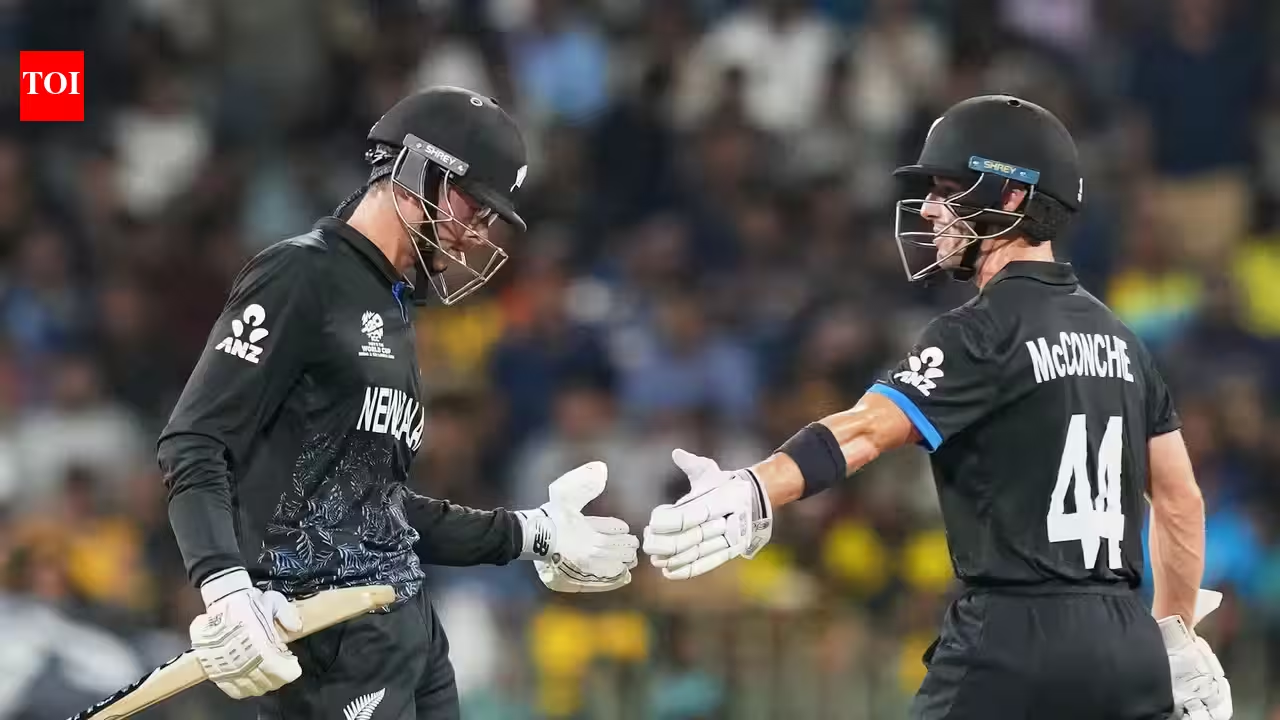
New Zealand National Cricket Team vs England Cricket Team Timeline: A Historic Cricket Rivalry

The New Zealand National Cricket Team vs England Cricket Team timeline is one of the longest-running rivalries in international cricket. It began with New Zealand’s first-ever Test match in 1930 and has developed through nearly a century of Test cricket, World Cups, ODIs, T20Is, and memorable tournament encounters. England were already an established cricketing nation when New Zealand gained Test status. The first Test between the teams was played at Christchurch in January 1930, with England winning by eight wickets. New Zealand gradually developed into a major international side, and the contests became increasingly competitive. The rivalry has produced several extraordinary moments, including New Zealand’s dramatic one-run Test victory in 2023 and the unforgettable 2019 Cricket World Cup final, when England won after both the regulation match and Super Over ended level. The rivalry continued into the modern era with the 2024 Test series in New Zealand, the 2025 white-ball tour, the 2026 T20 World Cup, and the 2026 Test series in England. New Zealand vs England Timeline at a Glance Year Major Event Result/Highlight 1930 First Test England won by 8 wickets 1930 First Test series England won 1–0 1931 New Zealand tour of England England won series 1–0 1958 Historic Test era Growing competitiveness 1999 Cricket World Cup New Zealand beat England 2015 World Cup New Zealand reached final; England eliminated in group stage 2019 World Cup Final England won after tied Super Over 2021 Test Championship era New Zealand became inaugural WTC champions 2023 Test series New Zealand won second Test by 1 run 2024 Test series in New Zealand England won 2–1 2025 T20I and ODI tour England won T20I series; New Zealand won ODI series 3–0 2026 T20 World Cup England won by 4 wickets 2026 Test series in England New Zealand won 2–1 1930: The Beginning of the Rivalry The official Test rivalry began in January 1930 when England toured New Zealand. New Zealand had recently been granted Test status, making the series historically important for the hosts. Their first Test was played at Lancaster Park in Christchurch. England won the inaugural encounter by eight wickets. New Zealand scored 112 in its first innings and 131 in the second, while England replied with 181 and reached 66/2 in the chase. First Test Detail Information Year 1930 Venue Christchurch Format Test New Zealand 112 & 131 England 181 & 66/2 Result England won by 8 wickets The first series consisted of four Tests. England won the opening match, while the remaining three were drawn, giving England a 1–0 series victory. This established the foundation for a rivalry that would continue for generations. 1931: New Zealand Tours England Just a year later, New Zealand travelled to England for another Test series. The three-Test series produced another England victory. England won the second Test at The Oval by an innings and 26 runs, while the other two matches were drawn. Year Tests England Wins New Zealand Wins Draws 1931 3 1 0 2 During the early decades, England were generally the stronger Test side, while New Zealand were still developing their international cricket infrastructure. 1930s–1950s: New Zealand Builds Its Test Identity The teams continued meeting regularly through the pre-war and post-war periods. New Zealand’s early Test cricket was marked by long periods without victories against established sides. England remained one of the country’s most frequent opponents, giving New Zealand valuable experience against high-quality international cricketers. During this period, several New Zealand players became important figures in the country’s cricket history. The rivalry was not yet the evenly matched contest seen in later decades, but England’s frequent tours helped establish Test cricket in New Zealand. 1960s–1980s: New Zealand Becomes More Competitive By the 1960s and 1970s, New Zealand had developed a more competitive Test team. Players such as Bert Sutcliffe, Glenn Turner, Richard Hadlee, John Wright, and Martin Crowe helped establish New Zealand as a respected international side. England continued to possess considerable depth, but New Zealand’s performances became increasingly difficult to dismiss. The emergence of Richard Hadlee was particularly significant. His combination of pace bowling, swing, accuracy, and lower-order batting gave New Zealand a world-class match-winner. 1990s: A New Generation and One-Day Cricket The 1990s brought another transformation. New Zealand became a strong ODI side and developed a reputation for innovative limited-overs cricket. Players such as: would eventually shape New Zealand’s reputation in international limited-overs cricket. England and New Zealand also began encountering each other more frequently in World Cups. 1999 Cricket World Cup The 1999 Cricket World Cup provided an important tournament meeting between the two nations. New Zealand’s campaign demonstrated their growing strength in one-day cricket, while England struggled to progress from the tournament’s group stage. The match between the two teams was part of a period in which New Zealand were becoming increasingly competitive against established cricket nations. 2000s: Competitive Test and ODI Encounters The 2000s saw the rivalry develop across all major formats. England had strong Test teams during much of this period, while New Zealand produced several outstanding players. The teams also began producing closer ODI contests. Important Players of the Era New Zealand England Stephen Fleming Michael Vaughan Nathan Astle Andrew Flintoff Chris Cairns Andrew Strauss Daniel Vettori Kevin Pietersen Shane Bond James Anderson Brendon McCullum Paul Collingwood The rise of Brendon McCullum added another dimension to New Zealand’s cricket. His aggressive batting and attacking leadership would later influence the wider Test game. 2015: World Cup Meeting The 2015 ICC Cricket World Cup in Australia and New Zealand marked another significant chapter. New Zealand co-hosted the tournament and reached the final for the first time. England, meanwhile, did not progress to the knockout stages. The tournament helped establish New Zealand as one of the leading limited-overs teams of the period. 2019: The Greatest Chapter — World Cup Final The most famous chapter in the New Zealand vs England cricket timeline came at Lord’s on 14 July 2019. New Zealand and England met in the Cricket World Cup final. New Zealand
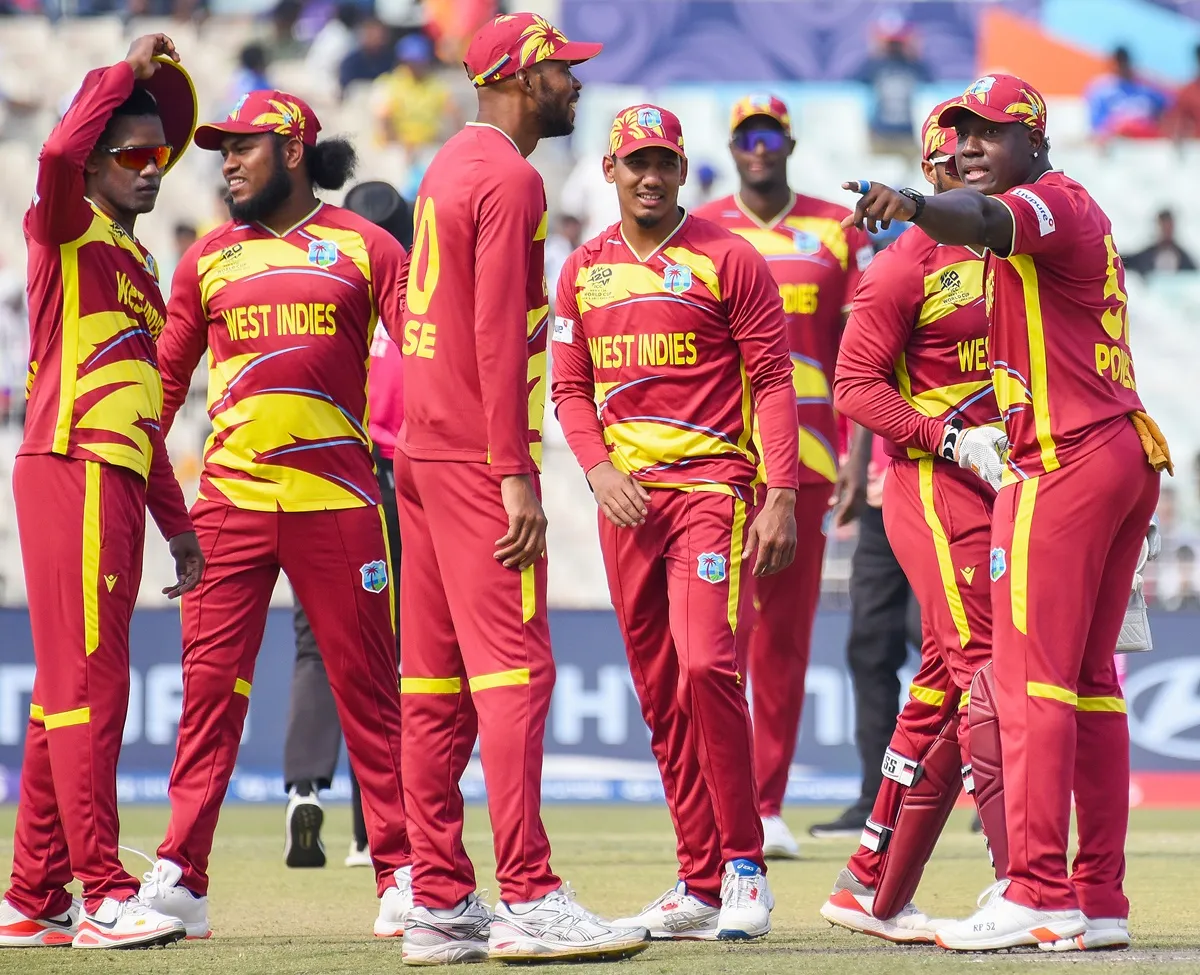
West Indies Cricket Team vs Zimbabwe National Cricket Team Timeline: A Historic Cricket Rivalry

The West Indies cricket team vs Zimbabwe national cricket team rivalry may not have the same century-long history as some of international cricket’s biggest rivalries, but it has produced several important matches and memorable moments across Test, ODI and T20 cricket. The two teams first played a Test series in 2000, when Zimbabwe toured the Caribbean. West Indies won that two-match series 2–0. Since then, the teams have met regularly in bilateral cricket and ICC tournaments. West Indies have generally held the advantage in Test cricket, while Zimbabwe have produced several competitive performances in limited-overs cricket. The rivalry has also featured some important milestones for individual players, including performances by Brian Lara, Chris Gayle, Shai Hope, Sikandar Raza and Sean Williams. One of the most recent major meetings came at the 2026 ICC Men’s T20 World Cup, when West Indies defeated Zimbabwe by 107 runs in the Super Eight stage. West Indies scored 254/6, their highest total of the tournament, while Shimron Hetmyer made 85 from 34 balls. West Indies vs Zimbabwe Timeline at a Glance Year Major Event Result/Significance 1999 ODI meeting in Singapore West Indies win by 6 wickets 2000 First Test series West Indies win 2–0 2000 NatWest Series in England Zimbabwe defeat West Indies twice 2001 Clive Lloyd Trophy era begins Test rivalry receives a named trophy 2013 Zimbabwe tour West Indies West Indies win Tests 2–0, ODIs 3–0 and T20Is 2–0 2017 Zimbabwe hosts West Indies West Indies win Test series 1–0 2018 World Cup Qualifier Zimbabwe and West Indies meet in Super Six 2022 T20 World Cup West Indies defeat Zimbabwe by 31 runs 2023 Zimbabwe Test series West Indies win 1–0 2026 T20 World Cup West Indies defeat Zimbabwe by 107 runs 1999: Early ODI Encounters Before the teams began their Test rivalry, West Indies and Zimbabwe had already met in ODI cricket. One notable meeting took place in September 1999 in Singapore during a triangular one-day tournament involving India, Zimbabwe and West Indies. Zimbabwe batted first and scored 244 runs, with Andy Flower making 89. West Indies chased the target successfully, reaching 247/4 and winning by six wickets. Sherwin Campbell scored 63, while Ricardo Powell remained unbeaten on 51. This was part of the period when Zimbabwe were establishing themselves as a competitive ODI team. 2000: The Test Rivalry Begins The official Test rivalry between West Indies and Zimbabwe began in March 2000. Zimbabwe toured the Caribbean for a two-Test series. West Indies won both Tests. 2000 Test Series Test Venue Result 1st Test Queen’s Park Oval, Trinidad West Indies won by 35 runs 2nd Test Sabina Park, Jamaica West Indies won by 10 wickets Series Caribbean West Indies won 2–0 The first Test was particularly competitive. West Indies made 187 and 147, while Zimbabwe scored 236 in their first innings before being dismissed for 63 in the fourth innings. The second Test was more straightforward, with West Indies winning by 10 wickets. The series established West Indies as the stronger Test side between the two teams. 2000: Zimbabwe Make an Impact in ODI Cricket Later in 2000, Zimbabwe and West Indies met again in England during the NatWest Series, a triangular ODI tournament involving England, West Indies and Zimbabwe. Zimbabwe produced two impressive victories over West Indies. In the opening meeting at Bristol, West Indies scored 232/7, but Zimbabwe chased the target and reached 233/4. Later in the tournament, Zimbabwe defeated West Indies again at Chester-le-Street. West Indies scored 287/5, but Zimbabwe successfully chased the total, reaching 290/4. These results showed that Zimbabwe could compete strongly against West Indies in limited-overs cricket. 2000 NatWest Series Meetings Venue West Indies Zimbabwe Result Bristol 232/7 233/4 Zimbabwe won Chester-le-Street 287/5 290/4 Zimbabwe won The two sides therefore had a contrasting start to their rivalry: West Indies dominated the first Test series, while Zimbabwe recorded notable ODI victories. 2001: The Clive Lloyd Trophy The Test rivalry later became associated with the Clive Lloyd Trophy, named after legendary West Indies captain Sir Clive Lloyd. The trophy was first contested during the 2001 Test series between the two countries. West Indies had already won the previous Test series in 2000. The trophy provided the Test rivalry with a permanent identity and recognized the contribution of one of West Indies’ greatest captains. Clive Lloyd led West Indies during their golden period and played a major role in the team’s World Cup victories in 1975 and 1979. 2013: West Indies Dominate the Tour One of the most comprehensive bilateral series between the two sides came in 2013, when Zimbabwe toured the Caribbean. The teams played: West Indies won every international match. 2013 Tour Results Format Matches West Indies Wins Zimbabwe Wins Tests 2 2 0 ODIs 3 3 0 T20Is 2 2 0 Total 7 7 0 In the ODI series, West Indies won the first match by 156 runs, the second by seven wickets and the third by five wickets. The T20I series was also won 2–0. The Test series followed, with West Indies winning the first Test by nine wickets and the second by an innings and 65 runs. 2013: Chris Gayle Sets a Test Sixes Record The second Test of the 2013 series contained an individual milestone involving Chris Gayle. Gayle hit his 89th six in Test cricket, surpassing Brian Lara’s previous record of 88 sixes by a West Indies player. Gayle’s performance was another example of the power-hitting style that became associated with modern West Indies cricket. 2017: Zimbabwe Host West Indies West Indies toured Zimbabwe in October and November 2017 for a two-Test series. The series was played for the Clive Lloyd Trophy. West Indies won the series 1–0, with the second Test ending in a draw. 2017 Test Series Test Venue Result 1st Test Bulawayo West Indies won by 117 runs 2nd Test Bulawayo Draw Series Zimbabwe West Indies won 1–0 The second Test was particularly notable for Zimbabwe’s ability to save the match after being placed under pressure. The series

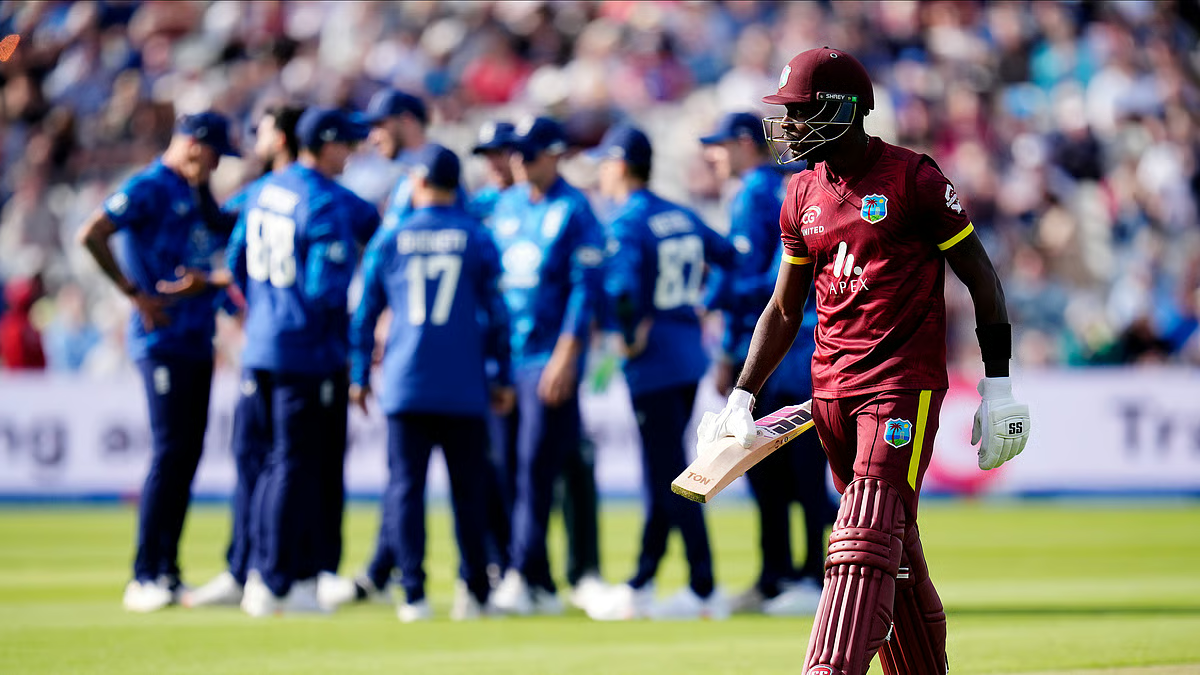
West Indies Cricket Team vs England Cricket Team Timeline: A Historic Rivalry

The West Indies cricket team vs England cricket team rivalry is one of the oldest and most fascinating contests in international cricket. Their cricketing relationship began in 1928 and has continued across Test matches, One Day Internationals (ODIs), T20 internationals and major ICC tournaments. Over the decades, the rivalry has witnessed extraordinary players, dramatic series, World Cup battles and unforgettable individual performances. England dominated the early years, but West Indies gradually developed into a cricketing powerhouse. During the 1970s and 1980s, the Caribbean side became one of the most dominant teams in Test cricket history. In the modern era, the rivalry has become more competitive across different formats, particularly in T20 cricket. From the legendary West Indies teams of Clive Lloyd and Viv Richards to England’s modern stars, the contest has continued to evolve. West Indies vs England: Timeline at a Glance Year/Period Major Event Significance 1928 First Test between England and West Indies Beginning of the official Test rivalry 1930s–1950s West Indies develop as a competitive side Emergence of Caribbean cricketing talent 1960s West Indies rise as a major cricket nation Beginning of a stronger Caribbean team 1975 First Cricket World Cup West Indies become inaugural champions 1976 West Indies defeat England 3–0 Beginning of a dominant period 1979 West Indies defeat England in World Cup final Second consecutive World Cup title 1984 West Indies win England series 5–0 Famous “Blackwash” 1988 West Indies again win 5–0 Second historic Blackwash 1990s England become more competitive Balance begins to change 2000s New generation of players Rivalry expands strongly into ODIs 2016 West Indies win T20 World Cup final One of the greatest T20 finishes 2020 England host West Indies during pandemic Important return of international cricket 2022 Richards-Botham Trophy introduced New era for the Test rivalry 2024 England win Test series 3–0 England regain the Richards-Botham Trophy 1928: The Beginning of the Rivalry The official Test rivalry between England and West Indies began in 1928. West Indies played their first Test match against England at Lord’s in London from June 23 to June 26. England won the match by an innings and 58 runs. West Indies also lost the next two Tests of the tour at Old Trafford and The Oval. England therefore completed a 3–0 series victory. Although West Indies struggled during their first Test series, the tour represented an important milestone. It marked the arrival of West Indies as an official Test-playing nation and established England as one of their earliest major international opponents. 1928 Test Series Test Venue Result 1st Test Lord’s England won 2nd Test Old Trafford England won 3rd Test The Oval England won Series England England won 3–0 1930s–1950s: West Indies Begin Building Their Identity The following decades were important for the development of West Indies cricket. The Caribbean produced several outstanding batsmen and bowlers. Players such as George Headley, Frank Worrell, Everton Weekes and Clyde Walcott helped establish West Indies as a serious international team. During this period, the team became increasingly competitive against England. The rivalry was also influenced by the strong historical connections between Britain and the Caribbean. Cricket became an important part of sporting culture throughout the West Indies, with different Caribbean islands producing their own cricketing heroes. By the 1950s, West Indies were no longer simply newcomers to international cricket. They were developing into a team capable of challenging the established cricketing nations. 1960s: The Rise of West Indies Cricket The 1960s marked an important turning point. West Indies began producing players capable of dominating international cricket. Among the most influential was Sir Garfield Sobers, widely regarded as one of the greatest all-rounders in cricket history. The team combined technically strong batting with effective bowling and athletic fielding. This period created the foundation for the extraordinary West Indies teams that would dominate international cricket during the next two decades. 1975: West Indies Win the First World Cup The inaugural Cricket World Cup was played in England in 1975. West Indies, led by Clive Lloyd, reached the final against Australia at Lord’s. West Indies won the final and became the first-ever Cricket World Cup champions. The victory was significant because it demonstrated that West Indies could dominate limited-overs cricket as well as Test cricket. It also strengthened the team’s confidence ahead of an extraordinary period of international success. 1976: West Indies Dominate England The 1976 Test series between England and West Indies was another major moment in the rivalry. West Indies won the four-Test series 3–0. The Caribbean team had developed an intimidating combination of powerful batting and fast bowling. Players such as Clive Lloyd, Viv Richards, Gordon Greenidge and Andy Roberts represented a new generation of West Indies cricket. Their aggressive style would become a defining feature of the rivalry during the late 1970s and 1980s. 1979: Another World Cup Triumph The 1979 Cricket World Cup once again brought England and West Indies together on the biggest stage. West Indies reached the final against England at Lord’s. The Caribbean team produced an outstanding performance and won the match by 92 runs, successfully defending their World Cup title. Viv Richards played an important role with the bat, while the West Indies bowling attack put England under significant pressure. 1979 World Cup Final Team Score West Indies 286/9 England 194 Result West Indies won by 92 runs Venue Lord’s, London West Indies had now won the first two World Cups, firmly establishing themselves as the leading limited-overs team of the era. 1980s: The Golden Era of West Indies Cricket The 1980s are widely remembered as the golden era of West Indies cricket. The team possessed an extraordinary group of fast bowlers, including: Their batting lineup was equally impressive, featuring players such as Viv Richards, Gordon Greenidge and Desmond Haynes. The combination created a team that was extremely difficult to defeat in Test cricket. England experienced this dominance firsthand. 1984: The Famous Blackwash The 1984 England vs West Indies Test series became one of the most famous series in cricket history.

South Africa National Cricket Team Vs Australian Men’s Cricket Team Match Scorecard

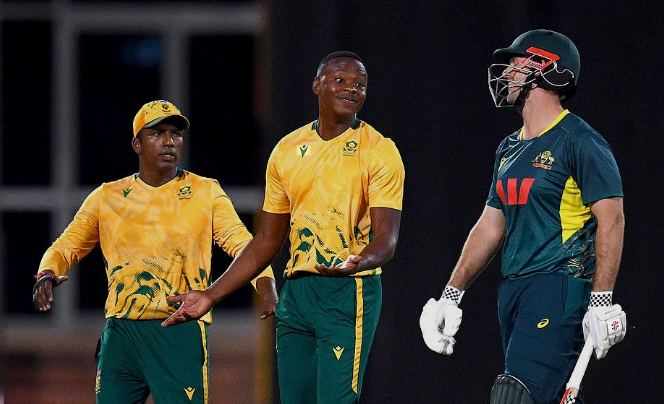
The South Africa National Cricket Team Vs Australian Men’s Cricket Team Match Scorecard from the first ODI of the 2026 Australia tour of South Africa records a competitive match at Kingsmead in Durban on September 24, 2026. Australia won the toss and elected to bowl first, but South Africa responded with an imposing 297 for eight in their allotted 50 overs. Matthew Breetzke produced the standout batting performance, scoring 112 from 106 deliveries, while Marco Jansen provided a powerful late contribution of 75 from 59 balls. Australia began its chase positively through Mitchell Marsh and Travis Head, but South Africa’s bowling attack steadily took control. Australia was eventually dismissed for 230 in 41.2 overs, giving South Africa a 67 run victory. Breetzke was named Player of the Match for his century. The contest contained several important individual performances. Breetzke’s 112 formed the backbone of the South African innings, while Jansen’s 75 accelerated the score during the closing overs. For Australia, Mitchell Marsh struck 60 from only 36 balls and Matt Renshaw contributed 44, but the visitors could not maintain their early scoring momentum. Keshav Maharaj was particularly effective with the ball, taking four wickets for 20 runs. Match Overview The first ODI was played at Kingsmead, Durban, on September 24, 2026, as part of Australia’s tour of South Africa. Australia won the toss and decided to bowl. South Africa’s opening partnership did not last long, with Tony de Zorzi dismissed for a duck and Quinton de Kock falling for 14. Temba Bavuma then joined Matthew Breetzke and helped stabilize the innings. Bavuma made 30 from 48 balls before being dismissed by Adam Zampa. Breetzke continued to build the innings and formed useful partnerships with Ryan Rickelton and David Miller. Breetzke eventually reached 112 from 106 balls, striking 14 fours and two sixes. His century gave South Africa a strong platform. Marco Jansen then delivered a powerful finishing performance, scoring 75 from 59 balls with seven fours and four sixes. Their contributions helped South Africa finish at 297 for eight. Australia’s chase started rapidly. Mitchell Marsh and Travis Head produced an opening partnership worth 90 runs before Marsh was dismissed for 60. Head made 36, while Cooper Connolly scored 38 and Matt Renshaw added 44. However, South Africa’s spinners and seamers continued to take wickets, and Australia eventually fell to 230 all out in 41.2 overs. South Africa Batting Scorecard South Africa Batter Runs Balls Fours Sixes Strike Rate Quinton de Kock 14 18 1 1 77.78 Tony de Zorzi 0 7 0 0 0.00 Temba Bavuma 30 48 4 0 62.50 Matthew Breetzke 112 106 14 2 105.66 Ryan Rickelton 27 26 4 0 103.85 David Miller 9 25 0 0 36.00 Marco Jansen 75 59 7 4 127.12 Corbin Bosch 9* 6 1 0 150.00 Gerald Coetzee 6 4 0 1 150.00 Bjorn Fortuin 1* 1 0 0 100.00 Keshav Maharaj Did not bat Extras 14 Total 297/8 50 overs Matthew Breetzke was the central figure in South Africa’s batting effort. His 112 from 106 balls was his first century in the match and provided the innings with stability after South Africa lost two early wickets. He controlled the middle overs effectively and increased the scoring rate whenever Australia attempted to apply pressure. Marco Jansen then transformed the innings during the final phase. His 75 from 59 balls included four sixes and seven fours. Jansen’s aggressive approach ensured South Africa crossed the 290 mark after the innings had been in a more cautious position during the middle overs. The partnership between Breetzke and Jansen was particularly significant. Breetzke supplied the foundation, while Jansen accelerated the scoring rate. South Africa ultimately reached 297 for eight, giving Australia a demanding target of 298. Australia Bowling Scorecard Australian Bowler Overs Maidens Runs Wickets Economy Mitchell Starc 10 0 60 0 6.00 Josh Hazlewood 10 2 50 1 5.00 Nathan Ellis 10 0 57 3 5.70 Jack Edwards 10 0 56 0 5.60 Adam Zampa 7 0 50 2 7.14 Cooper Connolly 1 0 7 0 7.00 Matt Renshaw 2 0 11 0 5.50 Nathan Ellis was Australia’s leading wicket taker with three wickets for 57 runs from his 10 overs. Adam Zampa also claimed two wickets, while Josh Hazlewood took one. However, South Africa’s late acceleration meant that Australia’s bowlers could not prevent the home side from reaching a total close to 300. Australia’s bowling attack initially created pressure by removing de Zorzi and de Kock relatively early. Zampa then dismissed Bavuma and Rickelton, but Breetzke and Jansen ensured that the South African innings remained strong. Australia Batting Scorecard Australian Batter Runs Balls Fours Sixes Strike Rate Mitchell Marsh 60 36 5 6 166.67 Travis Head 36 37 5 0 97.30 Cooper Connolly 38 42 4 1 90.48 Josh Inglis 3 8 0 0 37.50 Matt Renshaw 44 49 6 0 89.80 Cameron Green 5 10 0 0 50.00 Jack Edwards 5 15 0 0 33.33 Mitchell Starc 16 27 2 0 59.26 Nathan Ellis 4 10 0 0 40.00 Adam Zampa 7 15 1 0 46.67 Josh Hazlewood 0* Extras 12 Total 230 41.2 overs Mitchell Marsh gave Australia an explosive beginning to the chase. His 60 came from just 36 deliveries, including five fours and six sixes. Travis Head supported him with 36, and their partnership gave Australia an excellent start. After Marsh’s dismissal at 90, however, Australia lost wickets more regularly. Head fell at 129, Josh Inglis was dismissed shortly afterward, and the middle order could not establish another major partnership. Matt Renshaw’s 44 and Cooper Connolly’s 38 helped extend the chase, but South Africa continued to apply pressure. Australia was eventually bowled out for 230 in 41.2 overs. The result meant South Africa won the opening ODI by 67 runs. South Africa Bowling Scorecard South Africa Bowler Overs Maidens Runs Wickets Economy Marco Jansen 7 0 64 1 9.14 Gerald Coetzee 8 1 40 1 5.00 Corbin Bosch 9 0 67 2 7.44 Keshav Maharaj 9.2 2

West Indies Cricket Team Vs South Africa National Cricket Team Match Scorecard

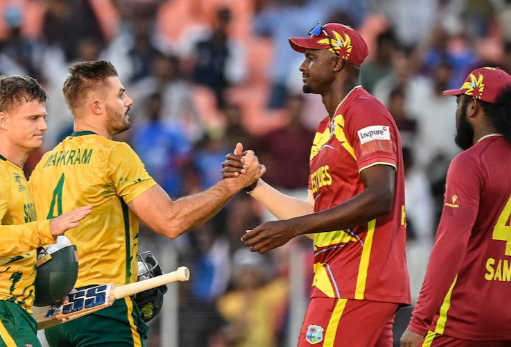
The West Indies Cricket Team Vs South Africa National Cricket Team Match Scorecard from the 2026 ICC Men’s T20 World Cup Super Eight match records a dominant South African chase at the Narendra Modi Stadium in Ahmedabad on February 26, 2026. West Indies batted first after South Africa won the toss and posted 176 for 8 in their 20 overs. Romario Shepherd top-scored with an unbeaten 52 from 37 balls, while Jason Holder added 49 from 31 deliveries. South Africa responded strongly, reaching 177 for 1 in only 16.1 overs and winning by nine wickets. Aiden Markram remained unbeaten on 82 from 46 balls, while Ryan Rickelton finished unbeaten on 45 from 28. Quinton de Kock contributed 47 from 24 balls before being dismissed. The result was decided largely by South Africa’s aggressive opening partnership and Markram’s controlled innings. Quinton de Kock and Markram added 95 before de Kock fell, after which Markram and Rickelton completed the chase. The match also provided another important chapter in the T20 World Cup rivalry between the two sides. Match Overview South Africa won the toss and elected to bowl first at the Narendra Modi Stadium. West Indies began aggressively, but South Africa’s bowlers regularly took wickets during the first half of the innings. Shai Hope scored 16 from six balls and Brandon King made 21 from 11, but both were dismissed early. West Indies slipped to 83 for seven before Jason Holder and Romario Shepherd rebuilt the innings. Holder scored 49 from 31 balls with four fours and three sixes, while Shepherd remained unbeaten on 52 from 37 deliveries. Their partnership helped West Indies reach 176 for eight from 20 overs. South Africa’s reply was considerably more controlled. De Kock scored 47 from 24 balls, and Markram continued at an excellent scoring rate. After de Kock was dismissed at 95, Ryan Rickelton joined Markram and the pair completed the chase in 16.1 overs. South Africa finished on 177 for one, winning with 23 balls remaining. West Indies Batting Scorecard West Indies Batter Runs Balls 4s 6s Strike Rate Brandon King 21 11 5 0 190.91 Shai Hope 16 6 1 2 266.67 Shimron Hetmyer 2 3 0 0 66.67 Rovman Powell 9 11 1 0 81.82 Roston Chase 2 2 0 0 100.00 Sherfane Rutherford 12 10 0 1 120.00 Jason Holder 49 31 4 3 158.06 Matthew Forde 11 9 1 1 122.22 Romario Shepherd 52* 37 3 4 140.54 Gudakesh Motie 0* — 0 0 — Shamar Joseph Did not bat — — — — Extras 2 — — — — Total 176/8 20 overs — — — Romario Shepherd was the leading scorer for West Indies with 52 not out. His innings contained three fours and four sixes and provided the late acceleration required to push the total toward 177. Jason Holder was also crucial, scoring 49 from 31 balls. The West Indies innings was interrupted by regular wickets. South Africa’s Lungi Ngidi took three wickets, while Kagiso Rabada and Corbin Bosch claimed two each. Their bowling prevented West Indies from building a sustained partnership through the middle overs. South Africa Bowling Scorecard South Africa Bowler Overs Runs Wickets Economy Keshav Maharaj 4 43 0 10.80 Marco Jansen 4 50 0 12.50 Kagiso Rabada 4 22 2 5.50 Lungi Ngidi 4 30 3 7.50 Corbin Bosch 4 31 2 7.75 Lungi Ngidi produced the best wicket-taking figures for South Africa, finishing with three wickets for 30 runs. Kagiso Rabada and Corbin Bosch provided further breakthroughs, taking two wickets each. Rabada was particularly economical, conceding only 22 runs from his four overs. South Africa’s bowling effort was important because West Indies had several explosive batters capable of increasing the scoring rate quickly. By taking wickets at regular intervals, South Africa limited the damage before Holder and Shepherd launched their late attack. South Africa Batting Scorecard South Africa Batter Runs Balls 4s 6s Strike Rate Aiden Markram 82* 46 7 4 178.26 Quinton de Kock 47 24 4 4 195.83 Ryan Rickelton 45* 28 4 2 160.71 Dewald Brevis Did not bat — — — — David Miller Did not bat — — — — Tristan Stubbs Did not bat — — — — Marco Jansen Did not bat — — — — Corbin Bosch Did not bat — — — — Kagiso Rabada Did not bat — — — — Keshav Maharaj Did not bat — — — — Lungi Ngidi Did not bat — — — — Extras 3 — — — — Total 177/1 16.1 overs — — — Aiden Markram was the standout batter of the match. He scored 82 not out from 46 balls, striking seven fours and four sixes. His innings combined boundary hitting with controlled running between the wickets and allowed South Africa to maintain a very high scoring rate throughout the chase. He was also named Player of the Match. Quinton de Kock provided the initial acceleration with 47 from only 24 balls. After his dismissal at 95, Rickelton joined Markram and scored an unbeaten 45 from 28 balls. The pair ensured that South Africa completed the chase without any late pressure. West Indies Bowling Scorecard West Indies Bowler Overs Runs Wickets Economy Matthew Forde 3 30 0 10.00 Romario Shepherd 2 22 0 11.00 Jason Holder 3.1 31 0 9.80 Shamar Joseph 2 24 0 12.00 Gudakesh Motie 2 24 0 12.00 Roston Chase 4 46 1 11.50 Roston Chase was the only West Indies bowler to take a wicket, dismissing Quinton de Kock. However, the rest of the attack could not prevent South Africa from scoring rapidly. Markram and Rickelton maintained the required rate and brought the target within reach well before the final over. South Africa’s batting rate made the difference. West Indies scored 176 from their 20 overs, but South Africa reached 177 in only 16.1 overs. This meant that the South African chase required a sustained scoring rate without giving the opposition many opportunities to recover. Key Performances

Australian Men’s Cricket Team Vs West Indies Cricket Team Match Scorecard

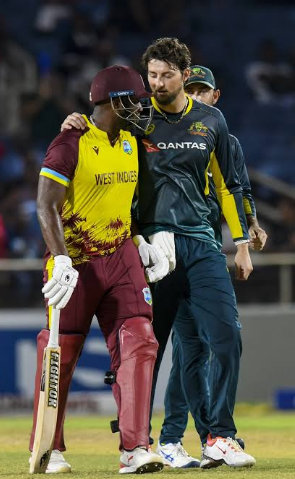
The Australian Men’s Cricket Team Vs West Indies Cricket Team Match Scorecard from the second Test of the 2024 series records one of the most dramatic matches between the two sides in recent Test cricket. Played at the Gabba in Brisbane from January 25 to 28, 2024, the match ended with West Indies defeating Australia by just eight runs. West Indies scored 311 in their first innings before Australia replied with 289 for nine declared. The visitors then made 193 in their second innings, leaving Australia a target of 216. Australia appeared capable of completing the chase, but West Indies fast bowler Shamar Joseph produced an extraordinary spell of seven wickets for 68 runs to bowl Australia out for 207. The result was especially significant because West Indies had not won a Test in Australia since 1997. Joseph’s performance therefore became the defining feature of the match, while Steve Smith remained unbeaten on 91 in Australia’s second innings. The eight-run margin made the contest one of the closest finishes in recent Australia West Indies Test history. Match Overview West Indies won the toss and chose to bat first at the Gabba. Their opening innings eventually reached 311 all out after 108 overs. Kavem Hodge made 71, Joshua Da Silva scored 79, and Kevin Sinclair contributed 50. Alzarri Joseph also added a rapid 32 from 22 balls to strengthen the lower order. Australia’s first innings produced 289 for nine declared from 53 overs. Steve Smith remained unbeaten on 91, while Cameron Green scored 42. Mitchell Starc added a quick 21 from 14 balls as Australia attempted to establish a first innings advantage. West Indies therefore held a 22-run lead before their second innings. West Indies were dismissed for 193 in their second innings, leaving Australia 216 runs to win. Australia reached 207 before being bowled out, falling only nine runs short of the target mathematically but losing the match by eight runs after the final wicket. West Indies First Innings Scorecard West Indies Batter Runs Balls Result Kraigg Brathwaite 4 25 Dismissed Tagenarine Chanderpaul 21 48 Dismissed Kirk McKenzie 21 25 Dismissed Alick Athanaze 8 22 Dismissed Kavem Hodge 71 194 Dismissed Justin Greaves 6 10 Dismissed Joshua Da Silva 79 157 Dismissed Kevin Sinclair 50 98 Dismissed Alzarri Joseph 32 22 Dismissed Kemar Roach 8 40 Run out Shamar Joseph 3 9 Not out Extras 8 — — Total 311 108 overs All out Kavem Hodge and Joshua Da Silva were central to the West Indies first innings. Hodge’s 71 came from 194 balls, while Da Silva scored 79 from 157 deliveries. Their contributions helped West Indies recover from several early setbacks and reach 311. Australia’s Mitchell Starc was particularly effective, taking four wickets in the innings. Nathan Lyon claimed two wickets, while Josh Hazlewood and Pat Cummins also contributed with important breakthroughs. Australia First Innings Scorecard Australia Batter Runs Balls Result Usman Khawaja 75 — Dismissed David Warner 8 — Dismissed Marnus Labuschagne 3 — Dismissed Steve Smith 91 146 Not out Cameron Green 42 73 Dismissed Travis Head 0 1 Dismissed Mitchell Marsh 10 12 Dismissed Alex Carey 2 5 Dismissed Mitchell Starc 21 14 Dismissed Pat Cummins 2 8 Dismissed Nathan Lyon 9 20 Dismissed Josh Hazlewood Did not bat — — Total 289/9 53 overs Declared Australia’s first innings was led by Steve Smith, who remained unbeaten on 91. Cameron Green supplied valuable support with 42, while the lower order accelerated the scoring rate before Australia declared at 289 for nine. The declaration gave West Indies an opportunity to build a defendable fourth innings target. Although the visitors were eventually dismissed for 193, they had created enough pressure to leave Australia needing 216 for victory. West Indies Second Innings Scorecard West Indies Batter Runs Result Kraigg Brathwaite 16 Dismissed Tagenarine Chanderpaul 12 Dismissed Kirk McKenzie 3 Dismissed Alick Athanaze 35 Dismissed Kavem Hodge 15 Dismissed Justin Greaves 5 Dismissed Joshua Da Silva 17 Dismissed Kevin Sinclair 5 Dismissed Alzarri Joseph 9 Dismissed Kemar Roach 5 Dismissed Shamar Joseph 15 Not out Extras Included — Total 193 72.3 overs West Indies’ second innings was considerably shorter than their first. The Australian bowlers kept taking wickets and eventually restricted the visitors to 193. Australia therefore appeared to have a manageable target of 216. However, the relatively low target became difficult once Shamar Joseph began attacking Australia’s middle and lower order. His bowling spell ultimately changed the match completely. Australia Second Innings Scorecard Australia Batter Runs Result Usman Khawaja 10 Dismissed Marnus Labuschagne 5 Dismissed Steve Smith 91 Not out Cameron Green 42 Dismissed Travis Head 0 Dismissed Mitchell Marsh 10 Dismissed Alex Carey 2 Dismissed Mitchell Starc 21 Dismissed Pat Cummins 2 Dismissed Nathan Lyon 9 Dismissed Josh Hazlewood 0 Dismissed Extras 15 — Total 207 50.5 overs Steve Smith again produced Australia’s highest score, finishing unbeaten on 91 from 146 balls. Cameron Green made 42, while Mitchell Starc scored a quick 21. The Australian innings appeared to be progressing toward victory while Smith remained at the crease. However, Shamar Joseph removed key batters in a remarkable spell and eventually dismissed Josh Hazlewood to complete the Australian innings at 207. Bowling Performance and Key Records Shamar Joseph was the outstanding bowler of the match. He took seven wickets for 68 runs in Australia’s second innings, producing one of the most memorable spells by a West Indies fast bowler in Australia. His performance earned him the Player of the Match award. West Indies Bowler Wickets Shamar Joseph 7 Alzarri Joseph 2 Justin Greaves 1 For Australia, Mitchell Starc was particularly effective during West Indies’ first innings, while Nathan Lyon also contributed wickets. The match ultimately demonstrated how a Test can change rapidly even when the chasing side requires fewer than 250 runs. The final figures were West Indies 311 and 193, against Australia’s 289 for nine declared and 207 all out. West Indies won by eight runs, leveling the two-match Test series 1–1. Conclusion The Australian Men’s Cricket

Australian Men’s Cricket Team Vs Netherlands Cricket Team Match Scorecard

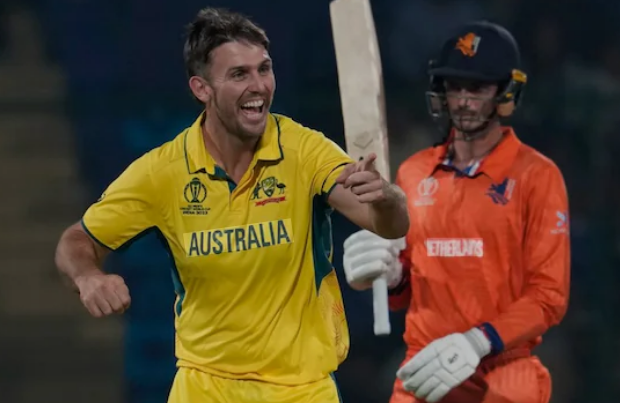
The Australian Men’s Cricket Team Vs Netherlands Cricket Team Match Scorecard provides a detailed look at one of the most dominant performances of the 2023 ICC Men’s Cricket World Cup. Australia faced the Netherlands in the 24th match of the tournament at Arun Jaitley Stadium in Delhi on October 25, 2023. Australia won the toss and chose to bat first, setting an imposing target after scoring 399 runs for eight wickets in their allotted 50 overs. The innings featured centuries from David Warner and Glenn Maxwell, while Steve Smith and Marnus Labuschagne also made valuable contributions. Netherlands were then bowled out for just 90 runs in 21 overs. Australia therefore secured a 309 run victory, which was the largest winning margin by runs in the history of the Men’s Cricket World Cup at that time. The match became particularly memorable because of Glenn Maxwell’s extraordinary century. He reached three figures from only 40 balls, setting the record for the fastest century in Men’s Cricket World Cup history at that time. David Warner also continued his excellent tournament with another hundred. At the other end, Adam Zampa played a major role with four wickets for only eight runs as the Netherlands batting order struggled against Australia’s bowling attack. Match Overview Australia entered the contest after defeats in their first two World Cup matches, while the Netherlands were also looking for a strong performance against one of the tournament’s established teams. The Australian side, led by Pat Cummins, had a strong batting lineup featuring David Warner, Mitchell Marsh, Steve Smith, Marnus Labuschagne and Glenn Maxwell. After winning the toss, Australia decided to bat. Mitchell Marsh was dismissed for nine, but Warner and Smith rebuilt the innings. Warner eventually scored 104 from 93 deliveries, while Smith contributed 71. Labuschagne added 62, creating the platform for a powerful finish. Maxwell then produced the defining performance of the match. He scored 106 from only 44 balls, including eight sixes, and his century came from 40 deliveries. Australia finished with 399 for eight from their 50 overs. Netherlands faced an enormous target of 400. Their innings never developed momentum, and the Australian bowlers repeatedly created breakthroughs. Adam Zampa finished with four wickets for eight runs, while Mitchell Marsh took two wickets. Netherlands were dismissed for 90 in only 21 overs. Australia Batting Scorecard Australian Batter Runs Balls Result David Warner 104 93 Dismissed Mitchell Marsh 9 15 Dismissed Steve Smith 71 68 Dismissed Marnus Labuschagne 62 47 Dismissed Josh Inglis 6 11 Dismissed Glenn Maxwell 106 44 Dismissed Cameron Green 8 12 Dismissed Pat Cummins 12 9 Dismissed Mitchell Starc 0 1 Not out Josh Hazlewood 0 0 Not out Adam Zampa Did not bat — — Extras Included — — Total 399/8 50 overs — Australia’s batting effort was built around several substantial contributions rather than a single innings alone. Warner’s 104 provided the foundation, while Smith and Labuschagne maintained the scoring rate through the middle overs. Maxwell’s late acceleration transformed a strong total into an enormous one. Maxwell’s 106 from 44 balls included a remarkable collection of boundaries and became the standout individual innings of the match. The ICC recorded his 40 ball century as the fastest century in Men’s Cricket World Cup history at that point. Netherlands Bowling Performance The Netherlands bowling attack faced a difficult challenge after Australia established a strong position during the opening half of the innings. The Dutch bowlers attempted to slow Australia’s scoring rate through a combination of pace and spin, but Australia’s middle and lower order accelerated significantly during the final stages. Bas de Leede had a particularly difficult day with the ball. He conceded 115 runs in his 10 overs, becoming the first bowler to concede more than 100 runs in a Men’s ODI World Cup match. Australia’s ability to attack throughout the innings meant that the Netherlands struggled to maintain control during the final overs. The bowling figures can be summarized as follows. Netherlands Bowler Overs Runs Conceded Wickets Aryan Dutt 10 59 0 Logan van Beek 10 74 1 Paul van Meekeren 9 64 2 Bas de Leede 10 115 2 Roelof van der Merwe 10 53 1 Colin Ackermann 1 8 0 The Netherlands bowlers eventually claimed wickets, but the required pressure was difficult to maintain against Australia’s deep batting lineup. Maxwell’s attack in particular changed the complexion of the innings. Netherlands Batting Scorecard Netherlands Batter Runs Result Vikramjit Singh 25 Dismissed Max O’Dowd 6 Dismissed Colin Ackermann 10 Dismissed Bas de Leede 4 Dismissed Teja Nidamanuru 14 Dismissed Scott Edwards 12 Not out Sybrand Engelbrecht 11 Dismissed Logan van Beek 0 Dismissed Roelof van der Merwe 0 Dismissed Aryan Dutt 0 Dismissed Paul van Meekeren 0 Dismissed Extras Included — Total 90 21 overs Netherlands found it extremely difficult to respond to the 400 run target. Vikramjit Singh was the top scorer with 25, while captain Scott Edwards remained unbeaten on 12. The lower order could not establish a meaningful partnership as Australia’s bowling attack continued to take wickets at regular intervals. The Netherlands were eventually bowled out for 90. Australia Bowling Scorecard Australian Bowler Overs Runs Conceded Wickets Mitchell Starc 6 27 1 Josh Hazlewood 6 40 1 Pat Cummins 5 21 1 Mitchell Marsh 4 19 2 Glenn Maxwell 0 0 0 Adam Zampa 3 8 4 Adam Zampa produced the best bowling figures of the match with four wickets for eight runs from three overs. His spell accelerated the collapse and helped Australia dismiss Netherlands inside 21 overs. Mitchell Marsh also contributed with two wickets, while Starc, Hazlewood and Cummins each claimed one. The Australian bowling performance demonstrated the value of maintaining pressure after setting a large total. The Netherlands needed 400 runs for victory, but Australia’s pace attack removed early batters before Zampa completed the collapse. The 309 run victory remains a significant World Cup scorecard because of its unusually large margin. Key Performances and Records Several individual performances made this match memorable. David Warner scored 104

SportsShave.com brings you the latest sports news, match updates, player insights, team coverage, scores, and trending stories from the world of sports. Stay informed and connected with everything happening in sports.

© 2026 Created with SportsShave.com