
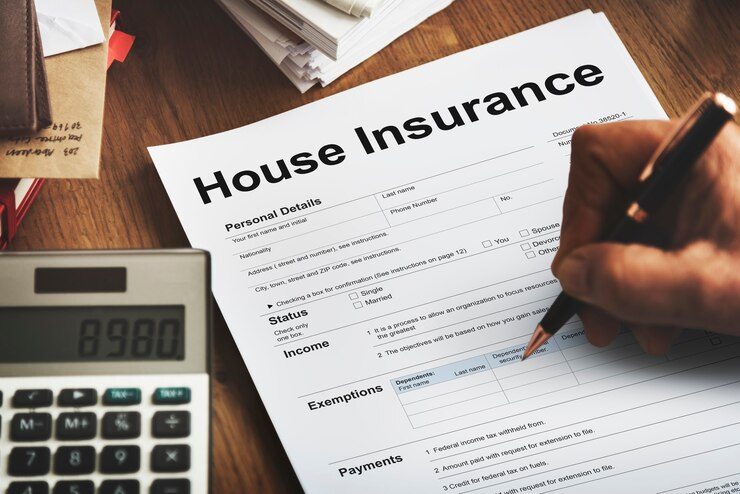
Property investment is usually one of the most costly investments in one’s lifetime. Hence, you must protect this purchase against unfavorable events or accidents like fire or mechanical damage. What may happen if any such circumstance occurs? Have you secured your property? If not, this is the time to take action.
Regardless of your property ownership, it is crucial to insure your property against potential loss or damage due to unexpected accidental events. Here, we will discuss property insurance and the types that property owners should utilize.
What Is Property Insurance?
Property insurance refers to a broad category of products offering property protection or liability coverage for property owners. It provides financial reimbursement to the owner or renter of a building and its belongings in situations of damage or theft. Additionally, this policy applies to any person injured on the property, not just the owner or renter. Let’s talk about some different types of property insurance.
Home Insurance Policy
House insurance, also known as homeowner’s insurance, protects against losses resulting from fires, floods, burglaries, theft, and other natural disasters. A house insurance policy also includes personal responsibility coverage, including things like flooding a neighbor’s apartment.
In turn, the travel insurance offer is typically quite extensive. Its scope includes luggage loss or damage, accident-related consequences, medical costs, or third-party insurance.
Condo Insurance Policy
Condo Insurance offers financial security against damage and loss to the condominium units owned by the condo homeowners. Generally, it does not encompass the building’s façade. But it can cover the interior of a home, including walls, floors, and internal equipment like appliances, furniture, and clothes.
Furthermore, intelligent condo owners are required to purchase condo insurance. The correct policy can provide financial reimbursement, allowing you to keep increasing your nest egg.
Renters Insurance Policy
Most renters believe that if anything occurs to their possessions or guests inside their rental property, they will pay for any damage caused by their landlord. Nope, that’s not accurate. Tenants are responsible for obtaining insurance.
Renters insurance covers a renter’s (or subletter’s) belongings and liabilities. An individual can get a renters insurance policy if they rent a townhouse, studio, loft, duplex, apartment, single-family home, condo, or apartment.
Moreover, this insurance policy covers the loss of renters’ personal belongings due to fire, smoke, or water damage within the rented property. It also offers obligation coverage if someone is injured in the possessions you rent.
Fire Insurance Policy
Fire Property Insurance Plans protect people from potential losses or damages from fire-related incidents. The insurance strategies cover fire cases triggered by explosions, collapses, lightning, etc.
The insured property can also cover valuables like fixtures, fittings, and furniture. These kinds of property insurance policies can be purchased for both individual and commercial properties.
RV Insurance Policy
RV insurance offers protection against injury or damage to others in your RV and can assist in resolving the issue of vehicle damage.
There are diverse kinds of coverages, depending on how you use your car. If you use your vehicle recreationally, the strategy may differ from using it as a permanent residence. Your vehicle can be protected by recreational insurance, whether driven or parked in a designated place, such as a campsite.
Therefore, if you use your RV as your primary residence, you must have full-time rv insurance. This policy is similar to a recreational insurance policy, but it allows for more personalized coverage for a home.
Customizing your RV insurance policy to cover various scenarios is fun, and you decide the specific coverage.
An rv insurance plan can typically cover a motorhome, but travel trailers are more complicated. If you have a travel trailer, your auto insurance policy covers the travel trailer, which is the vehicle that pulls it. However, you may need an RV insurance policy to cover the gaps your auto insurance policy may leave.
